

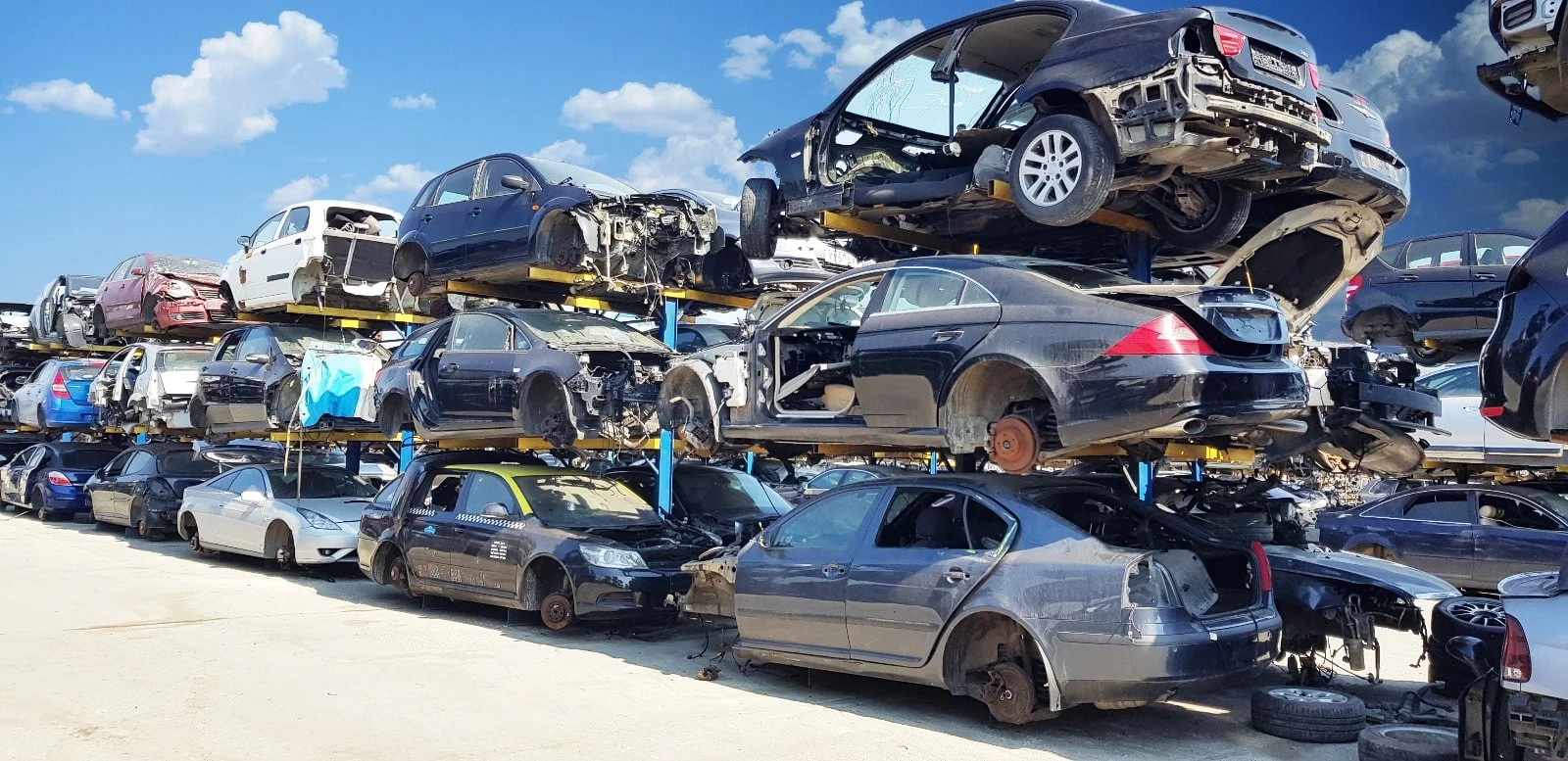
Across Australia, abandoned and scrapped vehicles sit quietly in yards, paddocks, and industrial spaces. Many people see them as rusted shells with no purpose. Yet each one holds a story shaped by time, travel, and human use. From family sedans left behind after decades of service to work utes worn down by long days on job sites, these machines reflect social change, technology growth, and shifting transport needs.
A closer look at these vehicles shows how transport history lives on, even after the engine stops running.
How Vehicles Become Forgotten
Most vehicles start their life with care and attention. They are cleaned, serviced, and driven with pride. Over time, wear builds up. Repairs cost more, parts become harder to find, and rules around emissions or safety grow stricter. When a car no longer suits daily use, it is often parked with plans for later repair.
Many of these plans never happen. Years pass, tyres lose air, paint fades, and rust forms. What was once a useful machine becomes a silent object. Scrap yards receive many vehicles at this stage, long after their last drive.
Abandoned Cars as Records of Daily Life
Each abandoned vehicle shows signs of its past role. A station wagon with worn rear seats often points to family travel. A van with scratched panels may have carried tools or goods. Farm vehicles often show heavy wear underneath due to rough terrain.
Inside these cars, small details tell clear stories. Old maps, faded service stickers, and cracked dashboards show habits from past decades. Even the radio type can reveal a time period. Cassette players suggest the 1980s or 1990s, while CD units point to later years.
Scrapped Vehicles and Industrial Change
Scrap yards hold vehicles from many eras, placed side by side. Older cars often use thick steel panels and simple engines. Newer models show lighter materials, complex wiring, and more plastic parts. This change reflects wider industry shifts over time.
During the 1970s, fuel use became a public concern after global oil shortages. Cars from this period often have smaller engines than earlier models. By the late 1980s, emissions rules shaped exhaust systems and fuel delivery. These changes remain visible long after the car stops running.
Vehicles Left Behind in Rural Areas
In regional Australia, abandoned vehicles are common on farms and remote properties. Long distances and limited access to parts make repairs less practical. Older utes and trucks are often kept until they no longer move.
These vehicles tell stories of rural work. Dents, reinforced trays, and custom fittings show how owners adapted cars to suit daily needs. Scrap yards that collect from these areas often see unique builds not found in city settings.
Environmental Impact of Abandoned Cars
When vehicles are left unattended, they can cause harm. Oil, brake fluid, and coolant may leak into soil. Batteries can break down and release harmful substances. Over time, this affects local land and water.
Scrapping vehicles helps reduce these risks. Metals such as steel and aluminium can be reused. Tyres can be processed for other uses. Fluids can be removed and handled safely. This process turns forgotten machines into sources of raw material again.
The Role of Scrap Yards in Story Preservation
Scrap yards do more than break down cars. They act as informal archives. Workers often recognise models by sound, shape, or smell. Some yards keep rare parts or full vehicles for collectors or museums.
Through this work, the history of transport remains visible. A vehicle from the 1960s parked beside a late model hatchback shows how design and purpose have shifted. These contrasts help people understand how far everyday transport has come.
A Practical Path for End-of-Life Vehicles
When owners decide that a car has reached the end of its road life, the next step matters. Services such as Melbourne Cash for Carz connect vehicle owners with scrap yards and recyclers. This link helps ensure that cars are moved from private spaces into controlled environments where dismantling and material recovery can take place. For people searching for Cash for Car Melbourne solutions, this approach supports proper handling while keeping materials in use rather than left to decay.
Why Forgotten Machines Still Matter
Abandoned and scrapped vehicles are not just waste. They are markers of social habits, work patterns, and design trends. They show how people travelled, earned a living, and adapted to change. Each dent and worn part reflects real use rather than showroom display.
By looking at these machines with care, it becomes clear that their story does not end when the engine fails. Through recycling and reuse, parts of these vehicles return to daily life in new forms.
Closing Thoughts
Forgotten machines sit quietly, yet they speak clearly to those who look closely. From rural paddocks to urban scrap yards, abandoned and scrapped vehicles hold layers of history. They remind us that transport is not only about movement but also about people, places, and time. Understanding these stories helps shape how end-of-life vehicles are treated today and how future machines may one day be remembered.

 English
 Arabic
 French
 Spanish
 Portuguese
 Deutsch
 Turkish
 Dutch
 Italiano
 Romaian
 Portuguese (Brazil)
 Greek