

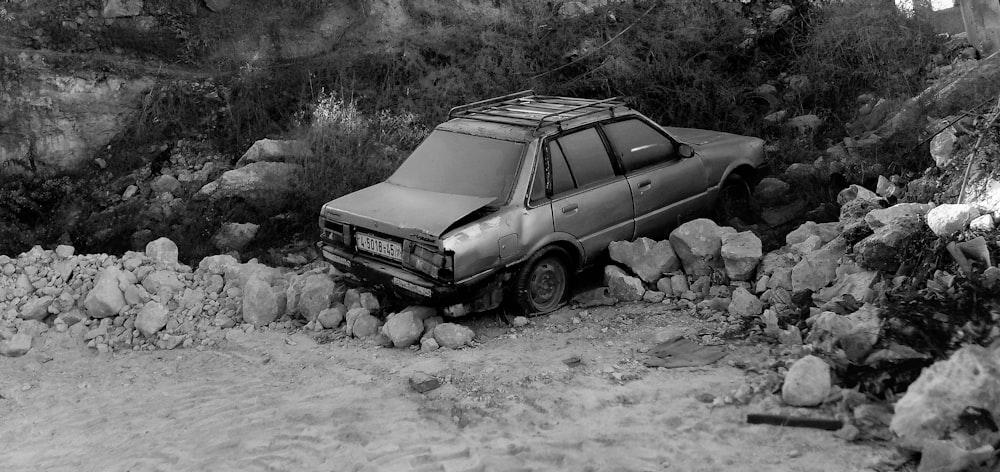
Many people look at an old car and see nothing but trouble. Rusted panels, a dead engine, and worn tyres often signal the end of the road. Yet in many cases, these cars still carry a solid price. What looks useless on the surface can hold strong worth beneath the metal skin.
Across Australia, scrap yards and car recyclers see this every day. Vehicles that no longer run often enter yards and leave as sorted metal, reusable parts, and raw material for new products. This article explains why some junk cars are priced higher than most owners expect.
What Defines a Junk Car
A junk car is usually one that cannot be driven or repaired at a reasonable cost. It may have engine failure, accident damage, flood damage, or heavy wear from age. Some cars are written off by insurers. Others sit unused for years.
Even so, the term junk does not mean worthless. It only means the car no longer suits road use. From a recycling view, the story looks very different.
Metal Content Plays a Major Role
The main reason junk cars carry worth is metal. A standard passenger vehicle contains steel, aluminium, copper, and small amounts of other metals. Steel alone can make up over sixty percent of a car by weight.
Steel recycling is well established in Australia. Recycled steel uses much less energy than steel made from raw ore. Aluminium recycling cuts energy use even further. These facts keep demand steady for scrap vehicles.
Heavier cars often bring higher prices because they contain more metal. Older vehicles, which use more steel and less plastic, can weigh more than newer models.
Engines and Gearboxes Still Matter
A failed car does not always mean every part has failed. Engines, gearboxes, and driveline parts often hold scrap or reuse worth.
Cast iron engine blocks weigh a lot and bring solid rates as scrap. Aluminium engine parts also attract strong demand. Manual gearboxes contain steel gears and aluminium cases, which both sell well at yards.
Even if these parts are not reused, their metal content supports the final price.
Copper Wiring Adds Hidden Worth
Copper is one of the highest paid metals in car recycling. A vehicle contains copper in wiring looms, motors, and electronic parts. While each wire looks small, the total weight adds up.
Modern cars carry more wiring than older models due to sensors and electronics. This raises the copper content. Scrap yards separate wiring during processing, which lifts the overall return.
This is one reason late model junk cars can surprise owners with higher offers.
Catalytic Converters Carry Strong Prices
One of the most overlooked parts of a junk car is the catalytic converter. This unit sits in the exhaust system and helps reduce harmful emissions.
Catalytic converters contain precious metals such as platinum, palladium, and rhodium. These metals trade at high market rates. Even small amounts raise the scrap price of a vehicle.
Prices change with global metal markets, yet converters often remain one of the most priced components in a scrap car.
Demand for Spare Parts
Not all junk cars go straight to the shredder. Many still hold usable parts. Doors, mirrors, lights, seats, and panels often suit repairs on similar models.
Older cars with discontinued parts can attract strong interest. Owners of these models look for second hand parts to keep their vehicles running.
This demand adds to what recyclers are willing to pay for certain vehicles.
Location and Market Conditions
Where the car sits also shapes its price. In busy cities, scrap yards see steady demand from builders, factories, and exporters. Transport distance affects cost, which then affects offers.
Search terms like Cash for Cars Brisbane reflect how city based services connect vehicle owners with scrap buyers. Shorter transport routes often allow higher payments compared to remote areas.
Market trends matter as well. When construction and manufacturing rise, steel demand often rises with them. This can lift scrap rates for cars.
Age and Build Style of the Car
Car design has changed over time. Older cars often use thicker steel panels and fewer composite materials. This raises total metal weight.
Newer cars use lighter materials for fuel use targets. While they include more aluminium and copper, they may weigh less overall.
This means a very old sedan may earn more as scrap than a small modern hatch, even if both appear equally worn.
Fluids and Hazard Control
Before recycling, cars go through depollution. Oils, fuel, brake fluid, and coolant are removed. These steps follow Australian safety and environmental rules.
This process does not lower the car price. It protects land and water while allowing metal recovery to continue without harm.
Lithium batteries from hybrid and electric cars also require special handling. These batteries hold materials that are reused through controlled systems.
How Scrap Yards Calculate Offers
Scrap yards usually look at four main points.
First is vehicle weight. Second is metal mix. Third is condition of key parts like converters. Fourth is current metal rates.
They also factor labour and processing costs. Even with these costs, many junk cars still return a solid amount due to strong metal demand.
A Practical Link Within the Industry
Within this system, some services focus on moving unwanted vehicles into licensed recycling channels. One such service is Metal Biz Recyclers. By handling cars that no longer suit the road and guiding them into proper scrap yards, the service supports metal recovery and reuse. This fits naturally with the process described above, where each car becomes a source of material rather than waste.
Common Myths About Junk Cars
Many people believe that a car without registration has no worth. This is not true. Registration status does not affect scrap metal price.
Another myth is that accident damage ruins all worth. In reality, bent panels and broken frames still carry metal weight.
Some think only newer cars bring money. As shown earlier, age alone does not decide price.
Final Thoughts
A junk car may look like a problem, yet it often holds more than expected. Steel frames, aluminium parts, copper wiring, and precious metals all add to its price.
Scrap yards see cars as collections of materials, not road machines. When owners understand this view, the idea of junk starts to change.

 English
 Arabic
 French
 Spanish
 Portuguese
 Deutsch
 Turkish
 Dutch
 Russian
 Romaian
 Portuguese (Brazil)
 Greek