

The automotive industry has undergone a massive transformation over the last decade, shifting from purely mechanical systems to complex, software-driven ecosystems. One of the most critical advancements in this era is the Advanced Driver Assistance System (ADAS). These systems rely heavily on cameras, usually mounted behind the rearview mirror, to monitor lane markings, pedestrians, and traffic signs. When a windshield is cracked or shattered, replacing the glass is only half the job. Because the camera is physically detached and reattached to new glass, its "eye" is no longer perfectly aligned with the road. Even a fraction of a millimeter of deviation can result in the system miscalculating distances, leading to dangerous errors in automatic emergency braking or lane-keep assist. Recalibrating these cameras is no longer an optional "extra"—it is a fundamental safety requirement.
The Evolving Role of the Modern Technician
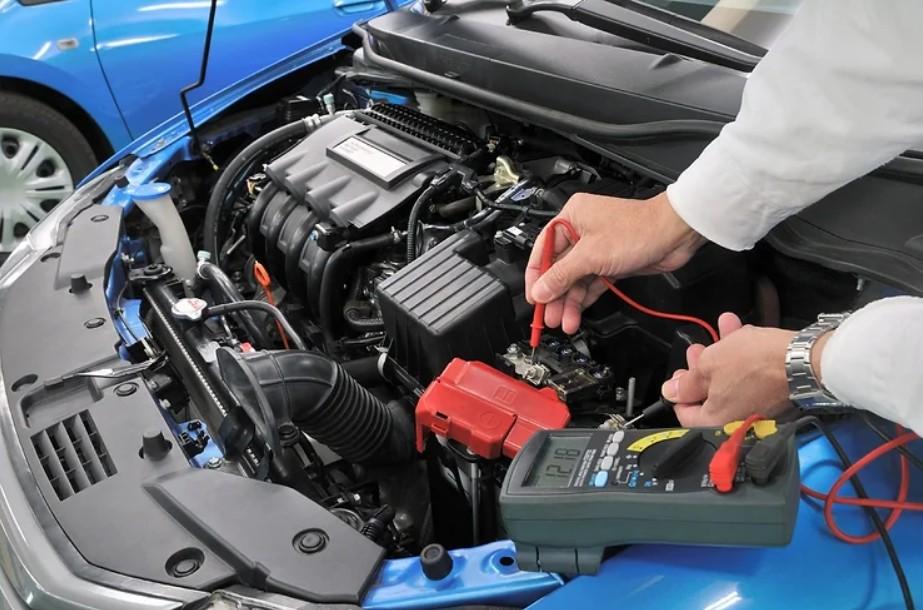
As vehicles become more sophisticated, the gap between traditional repair and high-tech diagnostics continues to widen. A professional car mechanic course is now essential for anyone hoping to stay relevant in an industry where code is just as important as carbon steel. Today's technicians must understand the delicate intersection of physical structural integrity and digital sensor accuracy. When a windshield is replaced, the technician isn't just a glazier; they are a systems integrator.
Understanding the physics of light refraction through glass and how different glass thicknesses can affect camera performance is now part of the daily grind. Without a solid educational foundation, a technician might overlook the subtle nuances that lead to a failed calibration. This transition from "grease monkey" to "systems specialist" highlights why continuous learning and specialized certifications are becoming the backbone of a successful career in automotive repair. Shops that fail to invest in this knowledge find themselves outsourcing more work, losing revenue, and potentially exposing themselves to liability.
Understanding the Precision of Static Calibration
Static calibration is a highly controlled process that occurs within the service bay of a repair shop. It doesn't involve driving the vehicle; instead, it relies on a sophisticated setup of physical targets, lasers, and diagnostic tools. The vehicle must be parked on a perfectly level floor—even a slight tilt can throw off the sensor's pitch and yaw calculations. The technician sets up specific target boards at precise distances and heights from the front bumper, as dictated by the Original Equipment Manufacturer (OEM). These targets often feature high-contrast geometric patterns that the camera is programmed to recognize.
The process begins by connecting a diagnostic scan tool to the vehicle's OBD-II port to initiate the "learn" mode. The camera then scans the targets, and the onboard computer adjusts its internal parameters to match the physical reality of its new mounting position. One of the biggest challenges in static calibration is environmental control. Improper lighting, shadows on the target boards, or even a cluttered background can confuse the camera and cause the calibration to fail. It is a meticulous task that requires patience and an eye for detail, ensuring that the vehicle's safety net is restored to its factory-specified accuracy before it ever leaves the shop.
Mastering the Dynamics of Mobile Calibration
Unlike the controlled environment of a shop, dynamic calibration (often called mobile calibration) requires the vehicle to be driven on the open road. This method is preferred by many manufacturers, such as Ford and Honda, because it forces the camera to learn from real-world variables. To perform a dynamic calibration, the technician must connect a scan tool and drive the vehicle at a consistent speed—usually between 40 and 60 mph—on a road with clear, well-maintained lane markings. The vehicle's computer monitors the camera's ability to "see" and track these lines over a period of 5 to 20 minutes.
However, dynamic calibration is not as simple as taking a joyride. It is highly dependent on external factors that are often out of the technician's control. If the weather is poor, such as heavy rain or snow, the camera cannot accurately identify lane markers, and the calibration will fail. Similarly, if the road is too curvy or if traffic is too heavy to maintain a steady speed, the process will take much longer or abort entirely. Technicians must be strategic about when and where they perform these drives, often choosing specific routes known for their high-quality infrastructure and predictable traffic patterns.
Static vs. Dynamic: Choosing the Right Approach
Choosing between static and dynamic calibration isn't usually a matter of technician preference; it is a mandate set by the vehicle’s manufacturer. Some vehicles strictly require static calibration, others require only dynamic, and a growing number of modern luxury vehicles require a "dual" calibration process that involves both shop-based target setting and a follow-up road test. For a shop owner, this creates a logistical challenge. Static calibration requires a significant investment in space and expensive target equipment, while dynamic calibration requires a technician to be out of the shop for an extended period, which can impact labor efficiency.
From a technical standpoint, static calibration is often seen as more reliable because it removes the variables of weather and road quality. However, dynamic calibration ensures that the system is functioning in the exact environment it was designed for—the road. When deciding on the approach, the technician must consult the specific service manual for that exact VIN. Misapplying a method or skipping a step because the equipment isn't available isn't just bad practice; it's a safety hazard. This is where the depth of a technician's training truly shines, as they must weigh the OEM requirements against the practicalities of their specific repair environment.
Critical Pre-Calibration Checkpoints and Troubleshooting
One of the most common reasons an ADAS calibration fails has nothing to do with the camera itself, but rather the state of the vehicle. Before a technician even touches a target or starts the engine for a drive cycle, they must perform a rigorous pre-calibration inspection. This includes ensuring all four tires are inflated to the exact factory pressure, the fuel tank is full (to ensure correct ride height), and the vehicle's wheel alignment is within spec. If a car is "dog-tracking" even slightly due to a bad alignment, the ADAS camera will never be able to accurately center itself.
Additionally, the technician must verify that the new windshield is of OEM quality or a high-quality equivalent. Cheap aftermarket glass often has distortions in the "frit" area (the black shaded part near the mirror) that can blur the camera's vision. If a calibration repeatedly fails, a seasoned technician knows to look for these small details rather than just blaming the software. Troubleshooting these systems requires a blend of traditional mechanical diagnostics and modern digital literacy. By checking the battery voltage and ensuring no other fault codes are present in the system, the technician creates the "clean slate" necessary for a successful recalibration.
Conclusion: Upholding Safety in a Tech-Driven World
Recalibrating an ADAS camera after a windshield replacement is the perfect example of how the automotive world has changed. It is no longer enough to just "fit the glass and go." The responsibility of the modern shop is to ensure that the driver's safety systems—which they rely on every day—are functioning exactly as intended. Whether performing a static calibration in a pristine shop or a dynamic calibration on a highway, the goal remains the same: precision and safety. As technology continues to evolve toward fully autonomous driving, these calibration procedures will only become more frequent and more complex.

 English
 Arabic
 French
 Spanish
 Portuguese
 Turkish
 Dutch
 Italiano
 Russian
 Romaian
 Portuguese (Brazil)
 Greek