

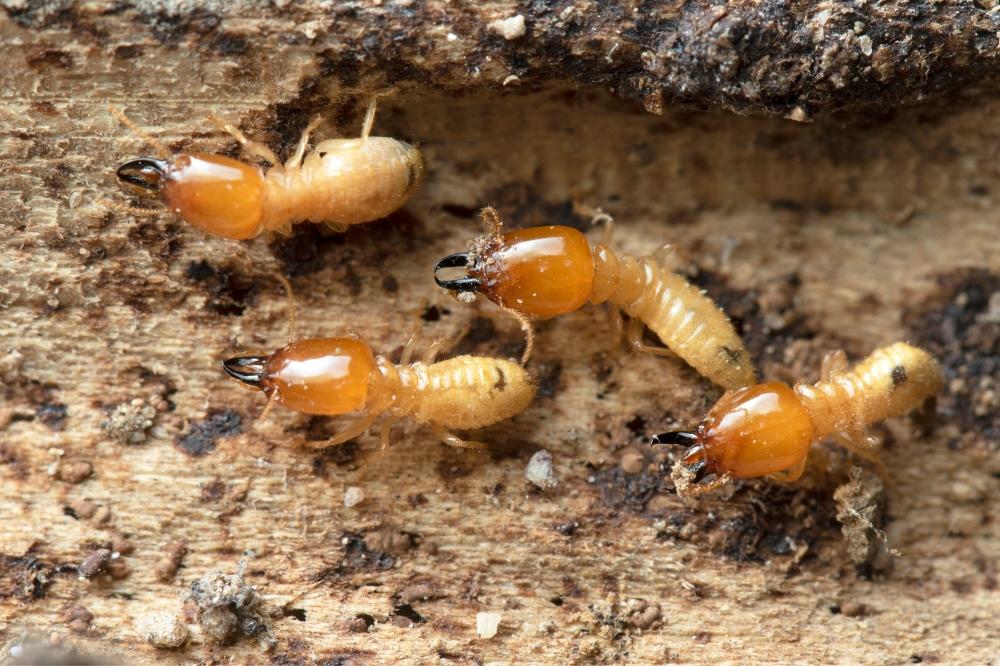
Termites are among the most destructive pests a commercial property can encounter. Often referred to as “silent destroyers,” these small insects can cause significant structural damage before they are discovered, leading to costly repairs, business disruptions, and even safety hazards. For property owners and managers, understanding termite behaviour, identifying risk factors, and implementing robust termite treatment strategies is essential for protecting assets and ensuring long-term peace of mind. In this article, we explore the importance of termite control in commercial settings, the types of treatments available, prevention methods, and why partnering with experienced professionals is crucial for effective termite management.
Understanding the Threat: Why Termites Matter in Commercial Properties
Termites feed on cellulose material found in wood, paper, insulation, and many building materials. Unlike residential properties, commercial buildings often have large structural frameworks, extensive storage areas, and complex interiors, all of which increase the risk of termite infestation. The damage caused by termites can weaken critical structural elements such as beams, columns, and flooring, leading to:
-
High repair costs – Structural damage often requires expensive restoration.
-
Business interruptions – Repairs can disrupt operations, especially in retail, hospitality, and industrial environments.
-
Health and safety risks – Weakened structures pose hazards to employees, tenants, and customers.
-
Loss of property value – Untreated termite damage reduces market value and tenant appeal.
For these reasons, commercial property owners must take termite control seriously and invest in preventive and responsive measures.
Common Signs of Termite Damage
Early detection makes termite management more effective and less costly. Some common signs to watch for include:
-
Mud tubes along walls or foundations – Subterranean termites build these for moisture and protection.
-
Hollow-sounding wood – As termites consume wood from the inside out, tapping on infested timber often sounds hollow.
-
Discarded wings – Swarming termites shed their wings after establishing a colony.
-
Frass (termite droppings) – Drywood termites push out small wood-like pellets.
-
Buckling paint or weakened floors – Swelling, sagging, and distortion in walls and flooring can indicate internal damage.
Regular inspections by trained professionals ensure these warning signs are identified before major damage occurs.
Types of Termite Treatment for Commercial Properties
The type of termite treatment suitable for a property depends on the species of termites involved, the level of infestation, and the construction of the building. Some of the most effective treatment options include:
1. Soil-Applied Barrier Treatments
Soil barrier treatments involve the application of liquid termiticides to the soil around and under a building’s foundation. This creates a chemical barrier that repels or kills termites before they access the structure. Depending on the product used, barriers can last several years and are particularly effective against subterranean termites.
Benefits:
-
Creates a long-lasting protective perimeter.
-
Effective for large commercial buildings with extensive foundations.
-
Ideal for new constructions when applied during building phase.
2. Termite Baiting Systems
Baiting systems use strategically placed stations containing cellulose material mixed with slow-acting termite toxins. Termites consume the bait and carry it back to the colony, gradually eliminating it from within.
Benefits:
-
Environmentally friendly compared to traditional pesticides.
-
Easy to monitor and maintain.
-
Targets entire colonies, not just visible workers.
3. Direct Wood Treatments
In cases of existing infestations, direct treatments involve applying termiticides or foams directly into infested wood or voids. This approach helps control active colonies and prevents further spread.
Benefits:
-
Useful for localized infestations.
-
Can be applied without major structural disruption.
-
Often used alongside soil barriers and baiting systems.
4. Physical Barriers
Physical barriers include stainless steel mesh, sand barriers, or plastic interlocks installed during construction to block termite entry. While more commonly used in new builds, retrofitting is possible in some cases.
Benefits:
-
Non-chemical and long-lasting.
-
Effective when installed correctly.
-
Suitable for environmentally sensitive sites.
Preventive Strategies for Long-Term Protection
Effective termite management isn’t just about reacting to infestations—it’s about preventing them. Some key preventive strategies include:
1. Regular Inspections
Scheduling routine termite inspections is one of the most important steps in prevention. Licensed professionals can identify early signs of activity, assess risk factors, and recommend treatments before severe damage occurs.
Inspection frequency recommendations:
-
Twice yearly for high-risk properties.
-
Annually for lower-risk sites.
2. Moisture Control
Termites thrive in moist environments. Commercial properties should address moisture issues by:
-
Fixing leaks promptly.
-
Ensuring proper drainage around foundations.
-
Using dehumidifiers in damp areas.
Controlling moisture reduces the attractiveness of structures to termites.
3. Landscaping Practices
Vegetation and soil near building foundations can provide bridges for termite access. Best practices include:
-
Keeping shrubs and mulch away from foundation walls.
-
Trimming trees and vegetation that touch the building.
-
Maintaining a barrier of gravel or hard surface around the perimeter.
4. Use of Treated Materials
When possible, using termite-resistant wood or materials treated with preservatives can deter infestations. These materials are especially valuable in areas known for high termite activity.
The Importance of Professional Termite Treatment
While DIY termite treatments may seem cost-effective, they often fail to deliver long-term protection for commercial properties. Termite behaviour and biology are complex, and effective control requires specialized knowledge, tools, and products that are typically beyond the scope of consumer-grade solutions.
Here’s why hiring a professional service is essential:
1. Expertise and Experience
Professionals understand different termite species, their habits, and the most effective treatment strategies. They can tailor solutions to the specific needs of your property and provide ongoing monitoring and support.
2. Advanced Technology and Products
Licensed pest control companies have access to industrial-grade termiticides, monitoring systems, and equipment not available to the general public. These treatments are more effective and longer lasting than retail products.
3. Comprehensive Inspections
A thorough inspection goes beyond visible signs of activity. Experts inspect internal structures, foundations, attics, crawl spaces, and utility entry points to ensure no area is overlooked.
4. Documentation and Compliance
Many commercial properties require documented pest control measures for insurance, leasing, or regulatory purposes. Professional services provide detailed reports, treatment plans, and compliance documentation that support business requirements.
Choosing the Right Termite Control Partner
When selecting a termite control provider, consider the following:
-
Licensing and certifications – Ensure technicians are properly trained and accredited.
-
Experience with commercial properties – Treatment strategies differ between residential and commercial settings.
-
Reputation and reviews – Look for evidence of reliable service and customer satisfaction.
-
Guarantees and follow-ups – A good provider offers warranties and scheduled inspections.
Bug Buster Gold Coast stands out in termite treatment for commercial properties due to its commitment to excellence, proven treatment methodologies, and dedicated customer support. With years of experience protecting businesses from termite damage, Bug Buster Gold Coast offers tailored solutions designed to safeguard your property and your peace of mind.
Conclusion
Termite infestations pose significant risks to commercial properties, including costly structural damage, operational disruptions, and safety hazards. Understanding termite behaviour, identifying early warning signs, and implementing a thoughtful combination of treatment and prevention strategies are vital for protecting your assets. Whether through soil barriers, baiting systems, direct treatments, or regular inspections, a proactive approach to termite management pays dividends in long-term protection.
For commercial property owners seeking reliable, effective termite control, Bug Buster Gold Coast offers professional expertise, advanced solutions, and unmatched dedication to preserving your property’s integrity. Don’t wait for termites to strike—protect your investment today with a comprehensive termite management plan tailored to your business needs.

 English
 Arabic
 French
 Spanish
 Portuguese
 Deutsch
 Turkish
 Dutch
 Russian
 Romaian
 Portuguese (Brazil)
 Greek