

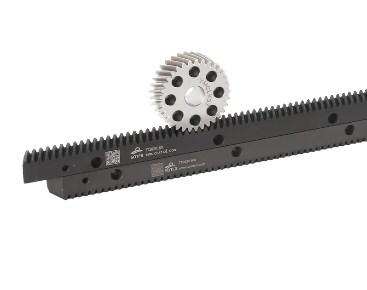
Introduction to Lubrication Importance
Proper lubrication is a key factor in extending the service life of Industrial Rack And Pinion systems. The teeth of the rack and pinion are subjected to repeated contact forces, friction, and wear during operation. Without adequate lubrication, heat generation, surface damage, and premature wear can occur, leading to reduced efficiency and costly maintenance. By applying the correct lubricant and maintaining proper lubrication practices, operators can significantly enhance durability and reliability.
Selecting the Right Lubricant
Choosing an appropriate lubricant is essential for effective protection. Gear oils, grease, or synthetic lubricants are commonly used depending on operating conditions. High-load or high-speed applications benefit from oils with superior film strength and thermal stability. For moderate-speed or intermittent use, high-quality grease can provide sufficient protection while reducing maintenance frequency. The lubricant should also resist oxidation, corrosion, and water contamination to maintain consistent performance over time.
Proper Application Methods
Lubrication can be applied manually, semi-automatically, or through fully integrated automatic systems. Manual lubrication requires regular inspection and reapplication, which may be suitable for small-scale or low-speed systems. Automatic lubrication systems provide continuous and precise lubricant delivery, ensuring uniform coverage across the gear teeth and eliminating human error. Proper application ensures that the contact surfaces remain coated with a consistent lubricant film, reducing friction and wear.
Reducing Friction and Wear
Lubrication reduces direct metal-to-metal contact between the rack and pinion teeth. This minimizes surface abrasion, pitting, and scoring. A well-maintained lubricant film absorbs some of the contact forces and dissipates heat, preventing localized overheating. In high-speed or high-load conditions, continuous lubrication ensures smooth motion, reduces vibration, and prevents premature fatigue of the gear material, thereby extending the system’s operational life.
Preventing Corrosion and Contamination
Industrial Rack And Pinion systems are often exposed to dust, moisture, and chemicals, which can accelerate corrosion. Lubricants with anti-corrosion additives form a protective layer on the teeth, preventing rust and chemical damage. Regular inspection of lubricant quality and timely replacement prevents contamination from particles or degraded oil, maintaining optimal protection and preventing performance deterioration.
Maintenance and Monitoring
Routine maintenance is critical to optimize lubrication effectiveness. Regular checks of lubricant level, viscosity, and cleanliness help detect early signs of wear or contamination. Monitoring operating temperature and noise can also indicate insufficient lubrication. Implementing a consistent maintenance schedule ensures that the system continues to operate smoothly and reliably, maximizing the lifespan of both the rack and pinion components.
Conclusion
Proper lubrication is essential for optimizing the durability and performance of an Industrial Rack And Pinion system. Selecting the right lubricant, applying it correctly, reducing friction, preventing corrosion, and maintaining regular monitoring collectively enhance wear resistance and operational efficiency. By following these lubrication practices, operators can extend service life, reduce maintenance costs, and ensure reliable long-term performance in industrial applications.

 English
 Arabic
 French
 Spanish
 Portuguese
 Deutsch
 Turkish
 Dutch
 Russian
 Romaian
 Portuguese (Brazil)
 Greek