

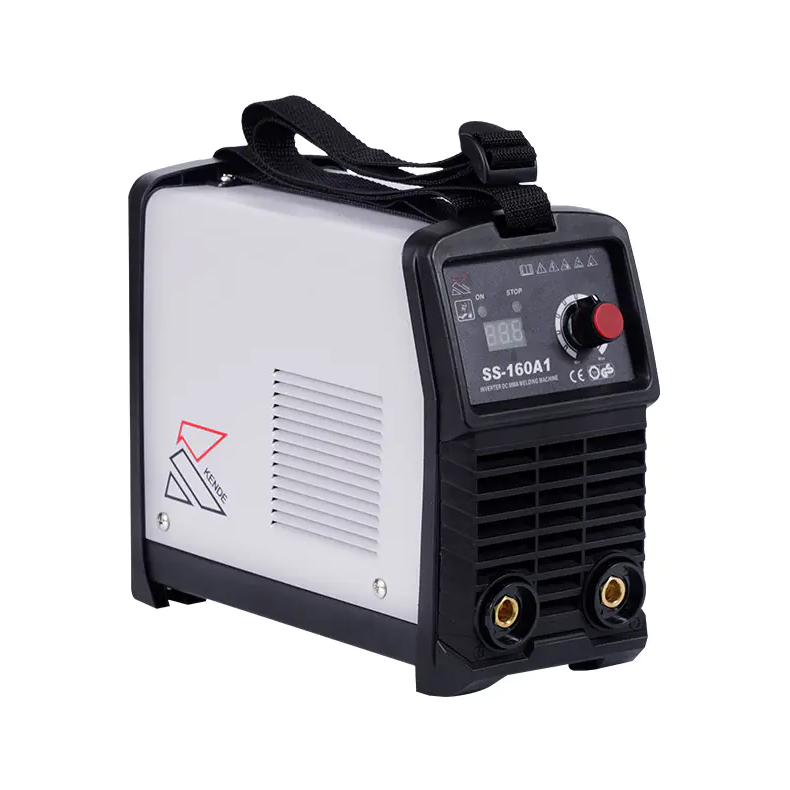
A Welding Machine Factory is a specialized facility where welding equipment is designed, manufactured, and tested for various industrial and commercial applications. These factories focus on producing machines that support metal fabrication, construction, automotive repair, and other industries that rely on secure and efficient metal joining. By combining technical expertise with organized production, a Welding Machine Factory ensures that welding equipment meets functional and safety requirements.
One of the main functions of a Welding Machine Factory is to assemble welding machines with precision. Components such as transformers, rectifiers, control circuits, and housing are carefully integrated to create machines capable of handling different welding tasks. In a Welding Machine Factory, each unit undergoes thorough inspections and testing to confirm that electrical connections are stable and that the machine operates as intended under load conditions.
Product diversity is a notable feature of a Welding Machine Factory. Facilities often produce a range of machines, including MIG welders, TIG welders, stick welders, plasma cutters, and multi-purpose units. This variety allows the factory to meet the needs of different industries and applications. Whether a project requires high-current welding for heavy structural work or precise low-current welding for delicate materials, a Welding Machine Factory can provide appropriate equipment.
Quality control is a critical aspect of operations in a Welding Machine Factory. Components are sourced carefully, and production processes are monitored to maintain consistency and reliability. Each machine may undergo performance tests, safety checks, and durability assessments before shipment. By maintaining strict quality standards, a Welding Machine Factory ensures that its products perform reliably in industrial environments where failures can have serious consequences.
Efficiency and workflow organization are also emphasized in a Welding Machine Factory. Production lines are structured to allow for smooth assembly, testing, and packaging. Skilled technicians operate specialized machinery, while standardized procedures minimize errors and reduce production time. This organized approach allows the factory to maintain steady output while keeping operational disruptions to a minimum.
Safety considerations are essential in a Welding Machine Factory. Workers handle electrical components, heavy parts, and welding machinery during assembly and testing. Proper training, protective equipment, and organized workstations help prevent accidents and maintain a safe environment. Additionally, the factory implements safety standards for the machines themselves, ensuring that users can operate the equipment with confidence.
Maintenance of equipment and production tools is also a focus in a Welding Machine Factory. Regular calibration, inspection, and servicing of assembly machines, testing instruments, and electrical components help maintain consistent production quality. Well-maintained equipment ensures that the factory can continue producing reliable welding machines without unexpected delays or quality issues.
A Welding Machine Factory often supports research and development activities as well. Engineers and designers work to improve machine efficiency, durability, and ease of use. This may include innovations in power management, cooling systems, or control interfaces. By integrating R&D into the production process, a Welding Machine Factory can adapt to evolving industry requirements and offer equipment that meets operational demands.
In addition to industrial applications, a Welding Machine Factory may also supply machines for educational institutions, repair shops, and hobbyists. Versatile machines with reliable performance enable a wide range of users to complete welding projects safely and efficiently.
In conclusion, a Welding Machine Factory is a critical hub for producing reliable and versatile welding equipment. Through careful assembly, quality control, and attention to safety and efficiency, these factories provide machines that serve industrial, commercial, and educational needs. By maintaining organized production and integrating technical expertise, a Welding Machine Factory ensures that welding equipment meets functional requirements and contributes to effective metalworking and fabrication across multiple industries.

 English
 French
 Spanish
 Portuguese
 Deutsch
 Turkish
 Dutch
Dutch
 Italiano
 Russian
 Romaian
 Portuguese (Brazil)
 Greek
Greek