

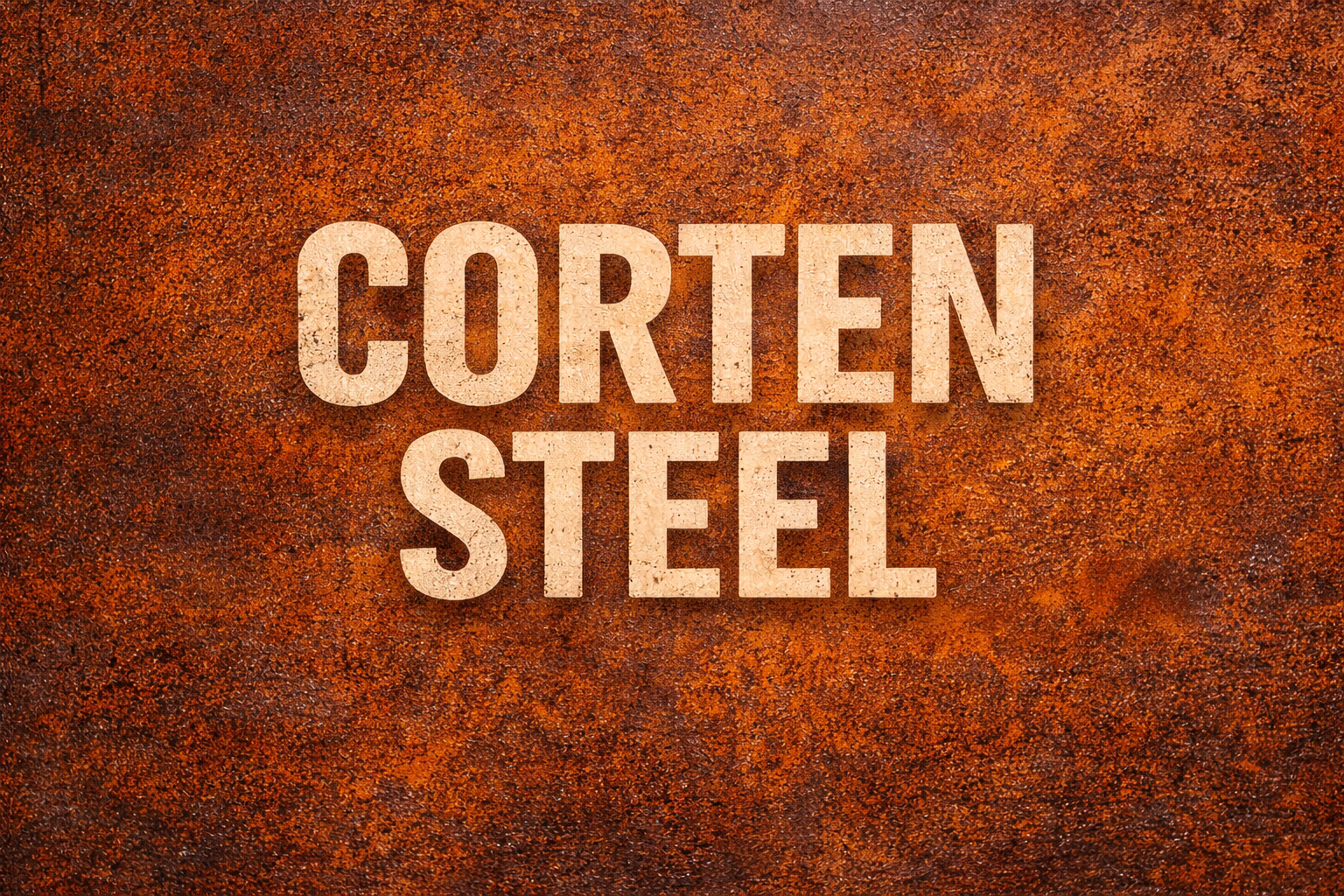
Modern architecture is not just about visual appeal — it is about durability, sustainability, and materials that age gracefully. One material that has captured the attention of architects worldwide is Corten Steel, also known as weathering steel. With its distinctive rust-like appearance and exceptional resistance to atmospheric corrosion, Corten steel has become a defining element in contemporary design.
From iconic buildings and bridges to landscape features and sculptures, Corten steel proves that structural strength and artistic expression can exist in one material. Let’s explore why this steel is reshaping architectural design and why modern structures built with it truly stand the test of time.
What is Corten Steel?
Corten steel is a group of steel alloys developed to eliminate the need for painting while forming a stable, rust-like surface appearance after exposure to weather. Unlike ordinary steel that corrodes continuously, Corten steel develops a protective oxide layer (patina). This patina acts as a barrier against further corrosion, making the material extremely durable in outdoor environments.
This unique property makes it ideal for architectural applications where longevity, low maintenance, and aesthetics matter equally.
Why Architects Prefer Corten Steel
1. Timeless Aesthetic Appeal
Corten steel offers a warm, earthy tone that evolves over time. The color transitions from bright orange to deep brown, creating a living surface that changes with the environment. This natural finish blends beautifully with concrete, glass, wood, and greenery, making it perfect for:
-
Modern residential homes
-
Commercial buildings
-
Museums and cultural centers
-
Urban landscaping
Its raw and industrial look aligns perfectly with modern minimalist architecture.
2. Exceptional Durability
One of the biggest advantages of Corten steel is its long lifespan. The patina layer protects the inner steel from moisture, pollution, and harsh weather conditions. Structures made from Corten steel can last decades with minimal structural degradation.
This makes it ideal for:
-
Building facades
-
Structural frameworks
-
Bridges and flyovers
-
Outdoor installations
In environments with proper drainage and airflow, Corten steel outperforms many traditional materials.
3. Low Maintenance Requirements
Unlike painted or coated steel, Corten steel does not require frequent repainting or surface treatments. Once the protective patina forms, maintenance costs reduce significantly. This makes it a cost-effective solution for long-term architectural projects, especially public infrastructure and large commercial structures.
4. Sustainability and Eco-Friendliness
Sustainable design is at the heart of modern architecture. Corten steel contributes to green building practices in several ways:
-
Eliminates chemical paints and coatings
-
Reduces maintenance-related resource consumption
-
Fully recyclable material
-
Long life cycle reduces material replacement
Architects looking for environmentally responsible solutions often choose Corten steel for its sustainability profile.
Common Architectural Applications
Building Facades
Corten steel facades are one of the most popular applications. They provide a dramatic, textured look while protecting the building envelope. The material performs exceptionally well in ventilated facade systems.
Bridges and Infrastructure
Due to its strength and corrosion resistance, Corten steel is widely used in bridges and heavy structures. Its ability to withstand harsh climates makes it ideal for long-span structures exposed to the elements.
Landscape Architecture
Corten steel is a favorite in landscaping projects. It is used for:
-
Retaining walls
-
Garden edging
-
Planters
-
Water features
Its natural color complements outdoor settings while requiring minimal upkeep.
Sculptures and Public Art
Artists and architects love Corten steel for its evolving texture and color. Large outdoor sculptures benefit from its strength and weather resistance, ensuring long-term preservation.
Design Flexibility
Corten steel is not just strong — it is versatile. It can be:
-
Cut into complex shapes
-
Welded and fabricated easily
-
Used in panels, sheets, or structural forms
Architects use it to create perforated screens, louvers, cladding panels, and decorative elements that combine function and art.
Performance in Different Environments
Corten steel performs best in environments with alternating wet and dry cycles, which help the patina stabilize. However, proper design considerations are essential:
-
Avoid constant water exposure
-
Ensure proper drainage
-
Prevent water runoff staining on nearby surfaces
With thoughtful detailing, Corten steel remains reliable even in challenging climates.
Challenges and Considerations
While Corten steel offers numerous benefits, architects must consider:
-
Initial rust runoff may stain concrete or stone
-
Not ideal for permanently wet or coastal salt-heavy environments without special design measures
-
Patina formation may vary depending on climate
Understanding these factors helps maximize performance and longevity.
The Future of Corten Steel in Architecture
As architecture moves toward sustainable, low-maintenance materials, Corten steel continues to grow in popularity. Its ability to combine durability, environmental responsibility, and artistic character makes it a cornerstone of future-ready design.
From modern homes to large infrastructure projects, Corten steel represents a shift toward materials that age with dignity rather than deteriorate.
Conclusion
Corten steel is more than a construction material — it is a design statement. Its self-protecting nature, long lifespan, and striking appearance make it a preferred choice in modern architecture. By reducing maintenance costs and enhancing structural longevity, Corten steel proves that great design is not only about how a building looks today, but how it performs for decades.
For architects and builders seeking a material that delivers strength, sustainability, and timeless beauty, Corten steel truly defines modern designs that last.

 English
 Arabic
 French
 Spanish
 Portuguese
 Deutsch
 Turkish
 Dutch
 Russian
 Romaian
 Portuguese (Brazil)
 Greek