

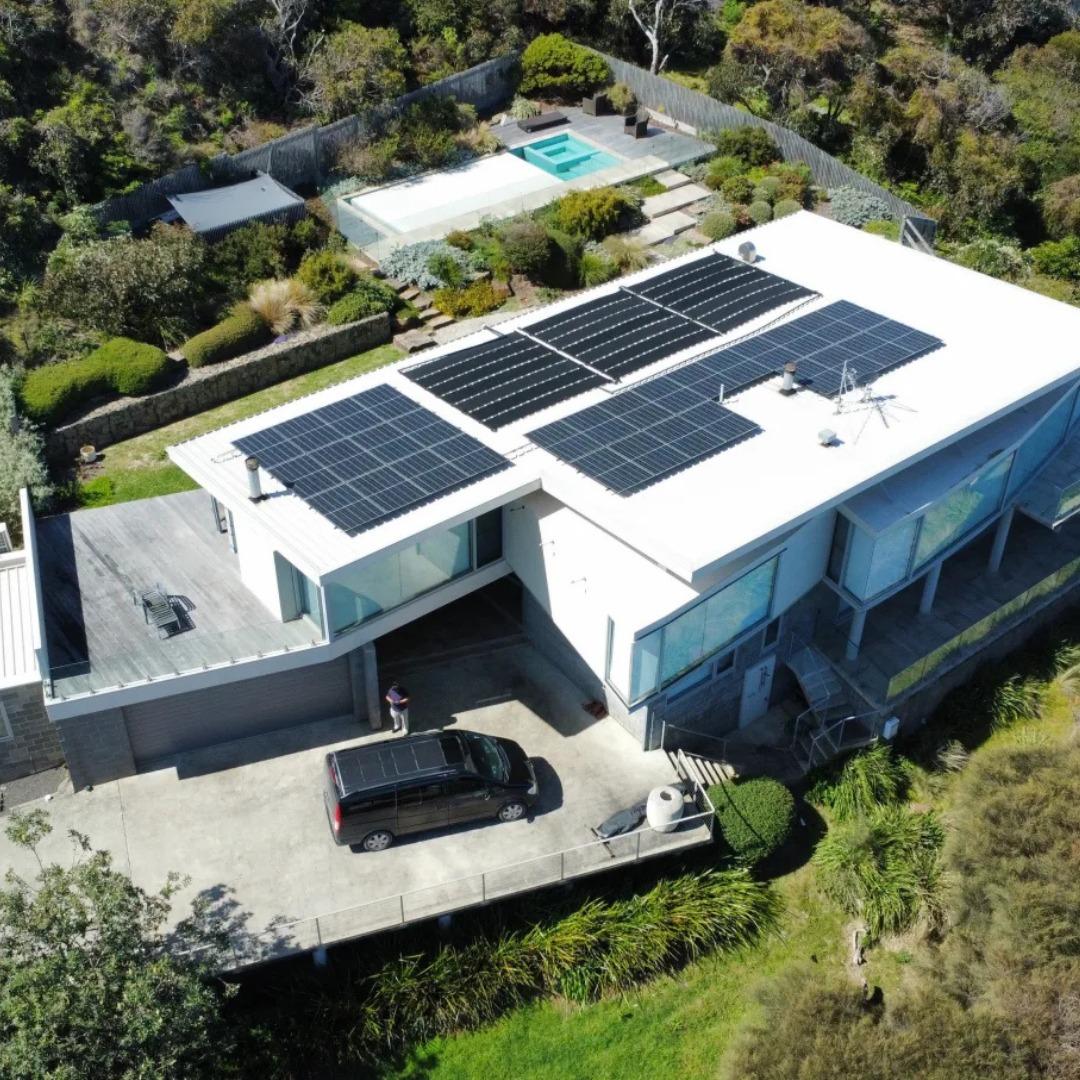
The promise sounds almost too good to be true: install solar panels and batteries, wave goodbye to your utility company, and enjoy unlimited free electricity forever. But can solar batteries actually deliver true 24/7 grid independence? The answer is more nuanced than solar salespeople might lead you to believe.
The Reality of Solar Battery Capabilities
Solar batteries have come a long way in recent years. Modern systems like the Tesla Powerwall, LG Chem RESU, and Enphase batteries can store significant amounts of energy—typically between 10 to 20 kilowatt-hours (kWh) per unit. For context, the average American home uses about 30 kWh per day.
Here's where things get interesting: during sunny months, a well-designed solar and battery system can absolutely power your home around the clock. Your panels generate excess electricity during the day, your batteries store it, and you use that stored power at night. It's a beautiful cycle that works seamlessly when conditions are right.
But what about when conditions aren't right?
The Seasonal Challenge Nobody Talks About
Winter changes everything. Shorter days mean less sunlight. Cloudy weather reduces solar production dramatically—sometimes by 80% or more. Meanwhile, your energy consumption often increases due to heating needs and longer periods of indoor lighting.
This is where the dream of total grid independence hits a wall for most homeowners. A solar battery system sized for summer perfection will likely fall short during December and January. You'd need to massively oversize your system—installing perhaps three times the solar panels and batteries you need in summer—to maintain independence year-round. The cost becomes prohibitive for most budgets.
What True Grid Independence Actually Requires
If you're serious about cutting the cord completely, here's what it takes:
Significant oversizing: Plan for your worst-case scenario, not your average day. This means 150-200% more solar capacity than typical recommendations.
Multiple battery units: One battery usually isn't enough. Expect to install 2-4 units for a standard home, providing 20-60 kWh of storage.
Energy discipline: You'll need to modify your lifestyle. Running the dishwasher, doing laundry, and charging your electric vehicle all require strategic timing.
Backup generator: Most truly off-grid homes maintain a propane or diesel generator for extended cloudy periods. Pure solar independence is incredibly difficult.
Smart load management: Systems that automatically prioritize essential loads (refrigerator, lights) over luxury items (hot tub, pool pump) become essential.
The Smarter Approach: Hybrid Independence
Rather than aiming for 100% independence, many homeowners find a hybrid approach more practical and economical. Here's how it works:
Stay connected to the grid as a backup, but design your solar and battery system to cover 80-90% of your annual electricity needs. During optimal months, you might go weeks without drawing grid power. During challenging winter weeks, you supplement with grid electricity as needed.
This approach offers several advantages. Your system costs 40-60% less than a fully off-grid setup. You maintain reliability without the stress of rationing power. You can still participate in net metering programs where available, potentially earning credits for excess production.
Is Grid Independence Right for You?
Complete grid independence makes sense in specific situations. If you live in a remote location where grid connection costs exceed $30,000, going fully off-grid with solar batteries becomes financially logical. Properties in areas with frequent, prolonged blackouts also benefit from robust battery systems.
For most suburban and urban homeowners, however, the math doesn't quite work. The premium you pay for total independence—potentially $20,000-$40,000 extra—rarely justifies the benefit when reliable grid power is available.
The Bottom Line
Can solar batteries power your home 24/7? Yes, but with important caveats. The technology exists and works beautifully under the right conditions. However, achieving true year-round independence requires significant investment, careful planning, and lifestyle adjustments that many people underestimate.
The better question might be: do you need 100% independence, or would 80-90% energy independence give you the resilience, savings, and environmental benefits you're seeking at a fraction of the cost?
For most people, a right-sized solar battery system that dramatically reduces grid dependence while maintaining that safety net offers the best balance of investment, reliability, and peace of mind.

 English
 Arabic
 French
 Spanish
 Portuguese
 Deutsch
 Turkish
 Dutch
 Russian
 Romaian
 Portuguese (Brazil)
 Greek