

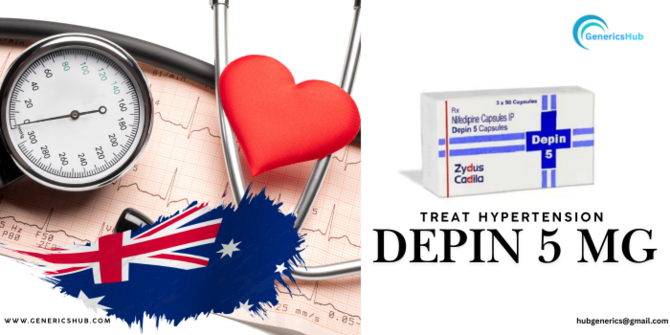
High blood pressure (hypertension) is one of the most common chronic health conditions in the United States, affecting nearly half of American adults. Often called the “silent killer,” hypertension may not cause noticeable symptoms, yet it significantly increases the risk of heart disease, stroke, kidney failure, and vision loss.
The good news? Blood pressure can usually be controlled with lifestyle changes and, when needed, medications. In this blog, we’ll explore which blood pressure medicines are commonly used for hypertension, how they work, and where Nifedipine, including depin 5 tablet fits into modern treatment—specifically with a U.S. healthcare focus. We’ll also answer frequently asked questions and wrap up with a clear conclusion.
Understanding Hypertension and Treatment Goals
In the U.S., hypertension is generally defined as a consistent blood pressure reading of 130/80 mmHg or higher, according to American guidelines. Treatment aims to:
-
Lower blood pressure to a safe range
-
Reduce long-term cardiovascular risk
-
Minimize medication side effects
-
Improve overall quality of life
Doctors often start with lifestyle changes, but many patients require medication—sometimes more than one—to achieve adequate control.
Major Classes of Blood Pressure Medicines
1. Diuretics (Water Pills)
Diuretics are often the first-line treatment for hypertension in the U.S. They work by helping the kidneys remove excess salt and water from the body, which lowers blood volume and pressure.
Common examples include:
-
Thiazide diuretics (e.g., hydrochlorothiazide)
-
Chlorthalidone
Why they’re used:
They are affordable, effective, and well-studied in large U.S. populations.
2. ACE Inhibitors
ACE (angiotensin-converting enzyme) inhibitors help relax blood vessels by blocking the formation of a hormone that narrows arteries.
Commonly prescribed in the U.S. because they:
-
Protect kidney function (especially in diabetes)
-
Reduce heart failure risk
-
Are well tolerated by many patients
A dry cough is a known side effect, which may prompt a switch to another class.
3. Angiotensin II Receptor Blockers (ARBs)
ARBs work similarly to ACE inhibitors but block the hormone’s action rather than its production.
Benefits include:
-
Effective blood pressure control
-
Lower risk of cough compared to ACE inhibitors
-
Widely used in U.S. clinical practice
They are often prescribed when ACE inhibitors are not tolerated.
4. Calcium Channel Blockers (CCBs)
This class includes Nifedipine, a medication that plays a key role in hypertension management.
How they work:
Calcium channel blockers relax blood vessel walls by preventing calcium from entering muscle cells in the heart and arteries. This improves blood flow and lowers blood pressure.
Nifedipine / Depin 5 Tablet
Nifedipine is a well-known calcium channel blocker frequently used in the United States for:
-
Hypertension
-
Angina (chest pain)
-
Certain vascular conditions
Low-dose formulations such as depin 5mg are often used when:
-
Gradual blood pressure reduction is needed
-
Patients are sensitive to higher doses
-
Doctors want better control with fewer side effects
In U.S. clinical settings, extended-release Nifedipine is commonly preferred for stable, long-term blood pressure control, while low-dose immediate options like depin 5mg may be used for dose titration or specific cases.
5. Beta Blockers
Beta blockers reduce heart rate and the force of heart contractions, lowering blood pressure.
They are commonly used when hypertension coexists with:
-
Heart disease
-
Prior heart attack
-
Certain rhythm disorders
Although no longer first-line for uncomplicated hypertension in the U.S., they remain valuable for selected patients.
6. Alpha Blockers and Other Medications
These medications relax blood vessels by targeting nerve signals that cause vessel tightening. They are usually prescribed when other treatments are insufficient.
Other options include:
-
Central-acting agents
-
Direct vasodilators
These are generally reserved for resistant hypertension.
Combination Therapy: A Common U.S. Approach
Many patients in the United States require two or more medications to reach blood pressure goals. Combining drugs from different classes—such as a diuretic with Nifedipine—often provides better control with fewer side effects than high doses of a single drug.
Frequently Asked Questions (FAQ)
Q1: Is Nifedipine safe for long-term use in the U.S.?
Yes. When prescribed appropriately and monitored by a healthcare provider, Nifedipine has a long safety record in U.S. patients.
Q2: What is depin 5 tablet used for?
Depin 5 tablet, containing depin 5mg of Nifedipine, is commonly used for managing high blood pressure and improving blood vessel relaxation.
Q3: Are blood pressure medicines taken for life?
Not always. Some patients may reduce or stop medication with sustained lifestyle changes, but many require long-term treatment to stay healthy.
Q4: Can I take Nifedipine with other hypertension drugs?
Yes. Nifedipine is often combined with diuretics or ACE inhibitors in U.S. treatment plans, but only under medical supervision.
Q5: What side effects should I watch for?
Common side effects include headache, flushing, or ankle swelling. Low-dose options like depin 5mg may reduce these effects.
Conclusion
Hypertension is a widespread but manageable condition in the United States. A variety of blood pressure medicines—ranging from diuretics and ACE inhibitors to calcium channel blockers—allow doctors to tailor treatment to each patient’s needs.
Nifedipine, including low-dose options such as depin 5 tablet remains a trusted and effective choice for many individuals requiring smooth and reliable blood pressure control. With proper medical guidance, the right combination of medication and lifestyle changes can significantly reduce the risks associated with high blood pressure and support long-term heart health.

 English
 Arabic
 French
 Portuguese
 Deutsch
 Turkish
 Dutch
 Italiano
 Russian
 Romaian
 Portuguese (Brazil)
 Greek