

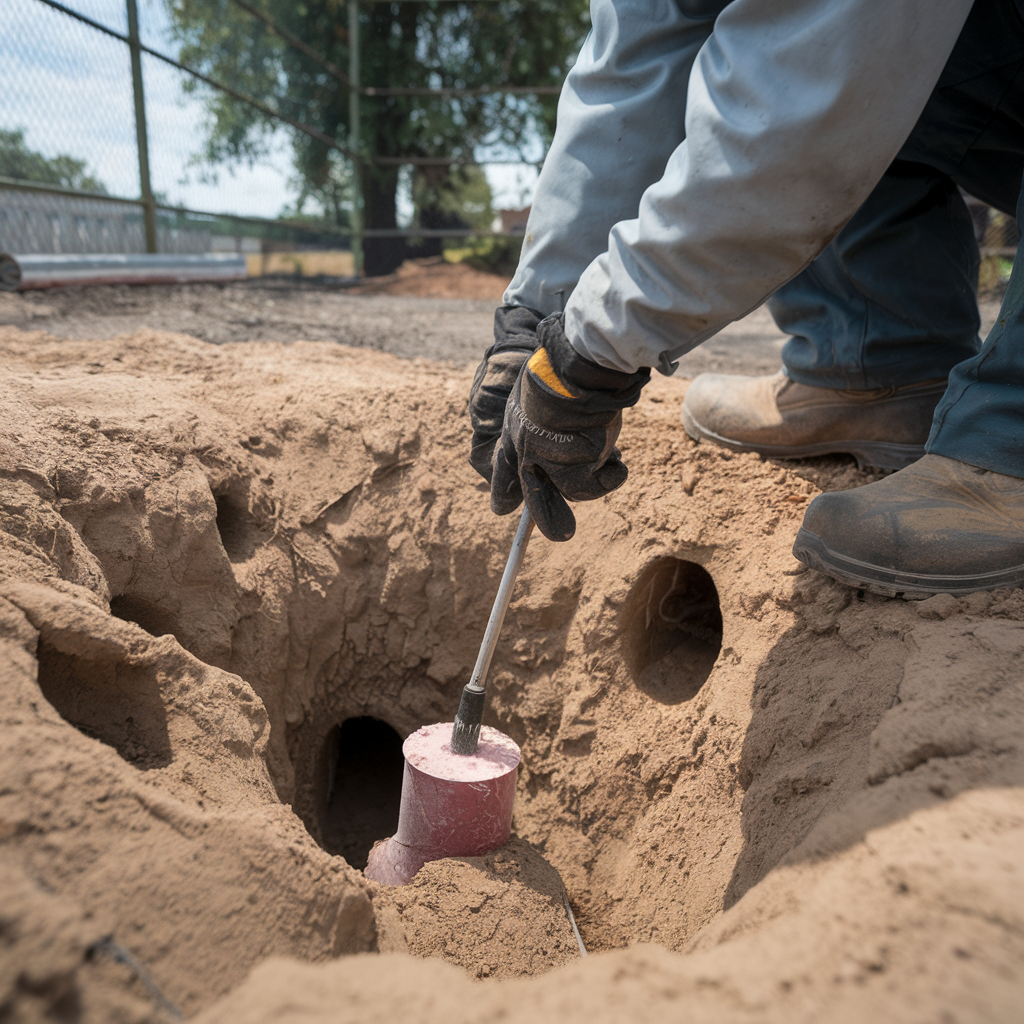
Rodents are more than just a nuisance—they are destructive pests that pose serious risks to health, safety, and property. Whether in a home or commercial setting, a rodent infestation can quickly escalate if not addressed promptly. Mice and rats reproduce rapidly, contaminate food sources, damage structures, and spread harmful diseases. Recognizing the early signs of rodent activity and seeking immediate rodent control is essential to prevent long-term consequences.
This article outlines the common warning signs of rodent infestation and explains why professional rodent control should never be delayed.
Why Rodent Infestations Are Serious
Rodents are highly adaptable creatures. They can squeeze through tiny openings, nest in hidden spaces, and survive in a variety of environments. Once they gain access to a property, they search for food, water, and shelter—often settling inside walls, attics, basements, or storage areas.
Ignoring early signs allows populations to grow quickly. A small mouse problem can turn into a full infestation within weeks. Immediate rodent control helps stop the issue before it becomes costly and hazardous.
1. Droppings Around the Property
One of the most obvious signs of rodent infestation is droppings. Rodent droppings are small, dark, and pellet-shaped. You may find them:
- In kitchen cabinets
- Near food storage areas
- Along baseboards
- Inside drawers
- In attics or garages
Fresh droppings are usually dark and moist, while older droppings become dry and crumbly. The presence of droppings indicates active rodent activity and requires immediate rodent control to prevent contamination.
2. Gnaw Marks and Chewed Materials
Rodents have strong teeth that grow continuously, forcing them to gnaw on various materials to keep them trimmed. Common signs include:
- Chewed wires
- Damaged wooden furniture
- Gnawed plastic containers
- Torn cardboard boxes
- Bite marks on food packaging
Chewed electrical wires are especially dangerous, as they can increase the risk of electrical fires. If you notice unexplained damage, professional rodent control is essential to prevent further destruction.
3. Scratching or Scurrying Noises
Rodents are often most active at night. If you hear scratching, squeaking, or scurrying sounds inside walls, ceilings, or attics, it may indicate a rodent infestation.
These noises are typically heard when rodents are:
- Moving between nesting sites
- Searching for food
- Chewing through materials
Unusual nighttime sounds should never be ignored, as they often signal hidden activity that requires immediate rodent control intervention.
4. Nests Made of Shredded Materials
Rodents build nests using shredded paper, fabric, insulation, or dried plant material. These nests are commonly found in:
- Attics
- Wall cavities
- Storage boxes
- Behind appliances
- Basements
Discovering nesting materials is a clear sign that rodents have established themselves inside your property. Immediate rodent control is necessary to remove the infestation and prevent breeding.
5. Grease Marks and Smudge Trails
As rodents travel along walls and pathways, their oily fur can leave behind greasy marks or smudge trails. These marks are often visible along baseboards, near entry points, or around frequently traveled areas.
Over time, repeated movement can create noticeable streaks, indicating heavy rodent activity. Professional rodent control experts can identify these patterns and determine the infestation’s extent.
6. Strong, Unpleasant Odors
A persistent, musky odor may indicate rodent presence. This smell is often caused by:
- Urine and droppings
- Nesting materials
- Decomposing rodents
In severe infestations, the odor can become overpowering. Prompt rodent control services can eliminate both the pests and the contamination causing unpleasant smells.
7. Sightings of Live or Dead Rodents
Seeing a live rodent during the day may suggest a significant infestation. Rodents are typically nocturnal, so daytime sightings can indicate overcrowding or a shortage of food sources.
Finding dead rodents also signals that others may still be present. Immediate rodent control is critical to address the root cause and prevent further issues.
8. Damaged Food Supplies
Rodents contaminate food through chewing and droppings. Signs include:
- Opened food packaging
- Bite marks on stored items
- Food crumbs scattered in cabinets
- Contaminated pantry goods
Consuming contaminated food can lead to health risks. Professional rodent control ensures safe removal and helps protect your food supply.
Health Risks Associated with Rodents
Rodents are known carriers of various diseases. They can spread bacteria and viruses through their urine, droppings, and saliva. Contamination can occur on surfaces, food, and air particles.
In addition to direct health risks, rodent infestations can trigger allergies and asthma, particularly in children and sensitive individuals.
Immediate rodent control minimizes exposure to these hazards and protects the well-being of occupants.
Structural and Financial Damage
Rodents don’t just contaminate—they destroy. Structural damage may include:
- Chewed insulation
- Compromised wooden beams
- Damaged drywall
- Fire hazards from exposed wiring
In commercial settings, rodent infestations can also result in:
- Failed health inspections
- Negative customer reviews
- Financial losses
- Reputational damage
Timely rodent control services prevent minor issues from escalating into major financial burdens.
Why DIY Methods Often Fail
While traps and store-bought repellents may catch a few rodents, they rarely eliminate the entire infestation. Rodents reproduce quickly, and without identifying entry points and nesting areas, the problem will persist.
Professional rodent control specialists:
- Conduct thorough inspections
- Identify entry points
- Seal access areas
- Remove nests safely
- Implement targeted treatment plans
- Provide long-term prevention strategies
Expert intervention ensures complete eradication and ongoing protection.
Preventative Measures to Avoid Future Infestations
In addition to professional rodent control, property owners can take proactive steps such as:
- Sealing cracks and gaps around foundations
- Storing food in airtight containers
- Keeping trash bins tightly sealed
- Eliminating clutter
- Maintaining proper sanitation
- Trimming vegetation near buildings
Preventative maintenance significantly reduces the likelihood of recurring infestations.
The Importance of Immediate Rodent Control
Delaying rodent control allows the infestation to grow, increasing health risks and repair costs. Immediate action:
- Protects your family or employees
- Safeguards your property
- Prevents structural damage
- Maintains business reputation
- Reduces long-term expenses
Early detection combined with professional rodent control ensures effective and lasting results.
Conclusion
Rodent infestations can cause serious harm to both residential and commercial properties. From droppings and gnaw marks to strange noises and strong odors, the warning signs should never be ignored. Acting quickly at the first indication of rodent activity can prevent costly damage and protect the health of everyone on the premises.
Immediate professional rodent control is the safest and most reliable solution. With expert inspection, targeted treatment, and preventative strategies, you can eliminate infestations and secure your property against future threats.

 Arabic
 French
 Spanish
 Portuguese
 Deutsch
 Turkish
 Dutch
 Italiano
 Russian
 Romaian
 Portuguese (Brazil)
 Greek