

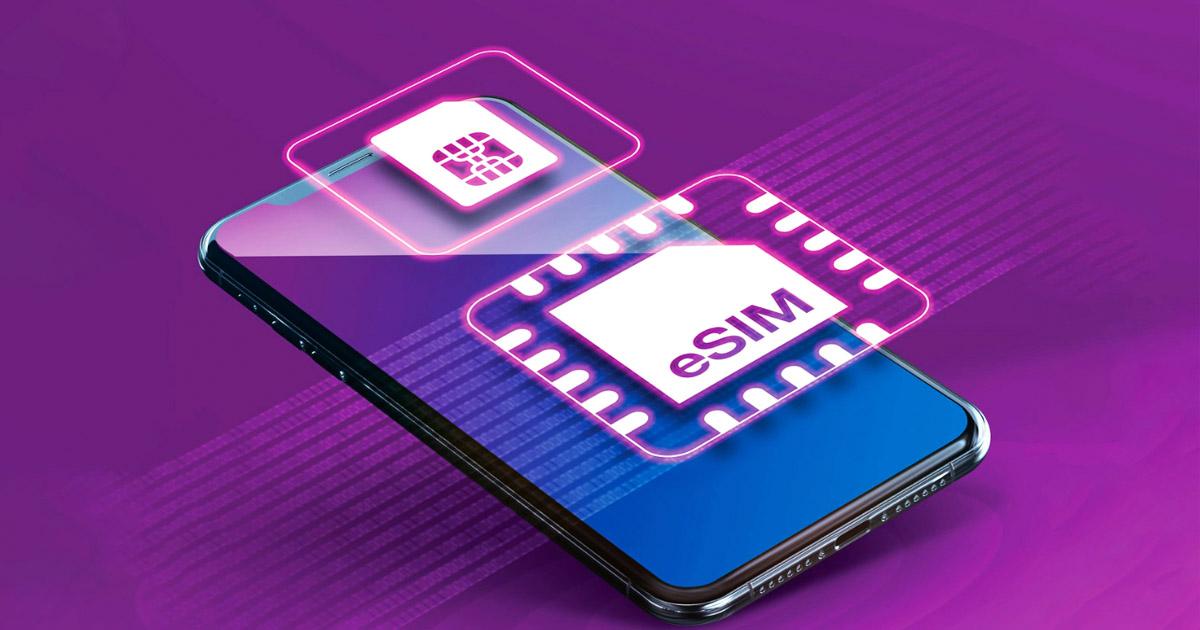
For decades, the humble SIM card has been the small but essential key to connecting our mobile devices to cellular networks. Now, a profound and disruptive technological shift is underway, led by the rapidly expanding global Esim industry. An eSIM, or embedded SIM, is a digital-first replacement for the physical SIM card. It is a small, programmable chip that is soldered directly onto a device's mainboard during manufacturing. Instead of physically swapping plastic cards to change mobile carriers, a user can now download and activate a new cellular plan directly on their device through a simple software interface. This fundamental shift from a physical, hardware-based system to a digital, software-defined one is revolutionizing the telecommunications landscape. The eSIM industry is creating a more flexible, convenient, and streamlined experience for consumers, while also unlocking powerful new capabilities for device manufacturers, mobile operators, and a new generation of connected IoT devices. It represents a critical step towards a more seamlessly connected and user-centric future for all mobile and connected technology.
The core of the eSIM industry is built upon a secure, global specification developed by the GSMA, the trade body that represents mobile network operators worldwide. This standard ensures that an eSIM-enabled device from any manufacturer can be provisioned to work on any participating mobile network, creating a truly interoperable global ecosystem. The technology operates through a process called Remote SIM Provisioning (RSP). When a user wants to activate a new cellular plan, they typically scan a QR code or use a carrier's app. This triggers a secure, over-the-air process where a "profile" containing the user's subscription information and network credentials is downloaded from a carrier's server and securely installed onto the eSIM chip within the device. The eSIM chip itself contains a highly secure, tamper-resistant processor, similar to the one found in a credit card, which is designed to protect this subscription data from being cloned or tampered with. This secure, software-based approach eliminates the logistical and security challenges associated with manufacturing, distributing, and managing billions of physical SIM cards around the world.
The applications and benefits of eSIM technology are vast and extend to multiple stakeholders. For consumers, the primary benefit is convenience and flexibility. Travelers no longer need to hunt for a local SIM card when they arrive in a new country; they can simply download a local data plan directly to their phone. Users can also easily switch between carriers to find the best deal or coverage without having to wait for a new physical card to be mailed. Many devices now support Dual SIM with an eSIM, allowing a user to have both a personal and a work number on a single phone. For device manufacturers, especially makers of small, sealed devices like smartwatches and IoT sensors, the eSIM is a game-changer. Eliminating the physical SIM tray and slot saves precious internal space, allows for more robust, water-resistant designs, and simplifies the manufacturing process. It also streamlines the global supply chain, as a single device model can be manufactured and then digitally provisioned for any carrier in any country.
For Mobile Network Operators (MNOs), the transition to eSIM presents both a challenge and an opportunity. The challenge is that eSIM makes it much easier for customers to switch carriers, which could potentially increase customer churn. However, the opportunity is far greater. It dramatically reduces the massive operational costs associated with producing, distributing, and managing physical SIM cards. It also opens up a huge new market for connecting a vast array of new devices beyond the smartphone. The Internet of Things (IoT) is a primary beneficiary. A logistics company can deploy thousands of asset trackers with eSIMs and manage their connectivity globally from a single, centralized platform. A car manufacturer can embed an eSIM into every vehicle on the production line to provide connected car services and over-the-air software updates. By providing a scalable, secure, and remotely manageable solution for cellular connectivity, the eSIM industry is the fundamental enabler for the massive, global expansion of the connected device ecosystem.
Other Exclusive Reports:

 English
 Arabic
 French
 Spanish
 Portuguese
 Deutsch
 Turkish
 Dutch
 Italiano
 Romaian
 Portuguese (Brazil)
 Greek