

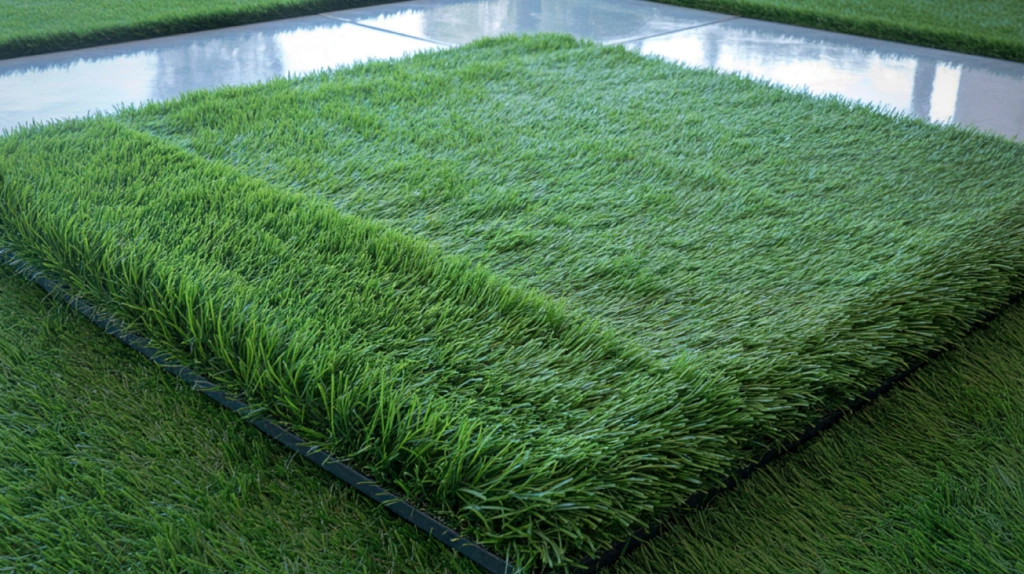
Artificial grass has become an increasingly popular landscaping option for homeowners looking to enjoy lush, green lawns without the constant maintenance natural grass demands. It’s durable, low-maintenance, and visually appealing year-round — making it ideal for busy families, pet owners, and anyone seeking a beautiful outdoor space with minimal effort. If you’re considering giving your lawn an upgrade, this guide walks you through everything you need to know about installing artificial grass at home.
What is Artificial Grass?
Artificial grass — also known as synthetic turf — is a surface made from synthetic fibers designed to look and feel like natural grass. Originally developed for sports fields, today’s artificial grass comes in a wide range of thicknesses, textures, and colors for residential landscaping. High-quality turf mimics the appearance of real grass so well that it’s hard to distinguish between the two.
Why Choose Artificial Grass?
Before diving into installation, it’s important to understand why homeowners choose artificial grass:
1. Minimal Maintenance
Unlike real grass, artificial turf doesn’t require watering, mowing, or fertilizing. A simple rinse and occasional brushing are enough to keep it looking fresh.
2. Water Conservation
Artificial grass doesn’t need irrigation, which can save significant water — especially in dry climates or drought-prone areas.
3. Durability
High-quality artificial grass withstands heavy foot traffic, pets, and weather changes. It won’t turn brown in summer or get muddy after rain.
4. Pet-Friendly
Modern turf products often include drainage layers that allow liquids to pass through quickly, helping to reduce odors and keeping yards usable for pets.
5. All-Year Green
No more brown patches or seasonal die-off — artificial grass stays aesthetically pleasing throughout the year.
Tools & Materials You’ll Need
Before beginning the installation, gather the following:
-
Artificial grass rolls
-
Weed barrier fabric
-
Crushed rock / aggregate base
-
Plate compactor or hand tamper
-
Landscape spikes / turf nails
-
Seaming tape & adhesive (if needed)
-
Utility knife
-
Measuring tape
-
Garden rake / stiff broom
-
Gloves & safety gear
Step-by-Step Installation Guide
Installing artificial grass might seem complex, but with careful planning and preparation, it’s a manageable DIY project. Here’s how to do it:
Step 1: Measure Your Lawn
Accurate measurements are critical. Use a tape measure to calculate the total area where the artificial turf will go. Add an extra 5–10% to account for trimming and fitting.
Step 2: Remove Existing Lawn & Debris
Clear out any existing grass, weeds, rocks, and debris. You can use a sod cutter or shovel for this. Removing old grass ensures a flat and stable surface for your new turf.
Step 3: Prepare the Base
This is one of the most important steps — a well-prepared base ensures proper drainage and prevents future irregularities.
-
Add a Layer of Crushed Rock / Aggregate
Spread about 2–4 inches of crushed rock or decomposed granite over the area. -
Level and Compact the Base
Use a garden rake to level the surface, then compact it with a plate compactor or hand tamper. A firm base helps the artificial grass stay stable and prevents shifting. -
Slope for Drainage
Ensure your base slopes slightly away from structures (about 1–2% grade) to avoid water pooling.
Step 4: Install a Weed Barrier
Roll out a weed barrier fabric over the compacted base. This prevents weeds from growing through your turf and helps maintain a clean surface.
Step 5: Lay the Artificial Grass
For larger areas, work with multiple rolls:
-
Unroll the Turf
Unroll the grass over your prepared area. Let the turf relax for a few hours so it flattens out. -
Align the Grain
Make sure all grass blades “lean” in the same direction to achieve a natural appearance. -
Cut to Fit
Use a utility knife to trim edges neatly around curves, patios, and features.
Step 6: Join Seams (if needed)
If you’re installing multiple pieces:
-
Use seam tape underneath adjacent edges.
-
Apply adhesive to the tape, then press edges firmly together.
-
Ensure seams are tight and almost invisible.
Step 7: Secure the Edges
Using landscape spikes or turf nails:
-
Fasten the artificial grass around the perimeter — every 6–8 inches is standard.
-
Drive nails through the grass and into the base to keep the turf taut and stable.
Step 8: Add Infill Material
Infill helps weigh down the turf and gives the fibers support:
-
Spread silica sand or rubber infill evenly over the grass.
-
Use a stiff broom or power brush to work the infill into the fibers.
Infill also helps keep grass blades upright and improves the turf’s durability and appearance.
Caring for Your New Artificial Lawn
Once installed, artificial grass requires only light maintenance. Here’s how to keep it looking great:
Daily/Weekly
-
Remove debris like leaves with a leaf blower or rake.
-
Brush fibers against the grain occasionally to maintain upright blades.
Monthly
-
Hose down with water to reduce dust and refresh the surface.
Pet Spots
Use mild soap and water to clean areas where pets play or relieve themselves.
Common Mistakes to Avoid
Even small mistakes can affect the longevity of your artificial grass installation. Avoid these pitfalls:
Poor Base Preparation
Skipping proper leveling or compaction leads to uneven surfaces and poor drainage.
Incorrect Seam Joining
Visible or poorly aligned seams can make your lawn look unnatural.
Not Accounting for Slope
Water can pool and damage the turf if drainage isn’t planned.
Overlooking Edges
Loose edges can cause lifting over time — always secure them properly.
Cost Considerations
The total cost varies depending on turf quality, area size, and installation method (DIY vs professional). High-quality turf with good drainage typically costs more but lasts longer and looks better. DIY installation can save labor costs, while professionals can ensure precision and reduce errors.
Is Artificial Grass Right for You?
Artificial grass isn’t just for sports fields and commercial landscaping — it’s a practical, attractive choice for home lawns, play areas, pet spaces, rooftop terraces, and even balconies.
Choose artificial grass if you:
-
Want low maintenance and no watering.
-
Live in a dry or water-restricted area.
-
Have pets or children who play outside frequently.
-
Desire a green lawn all year round.
Final Thoughts
Installing artificial grass at home can dramatically transform your outdoor space while reducing ongoing lawn care responsibilities. With the right tools, materials, and careful planning, a DIY installation is entirely achievable. Whether you’re creating a kid-friendly lawn, a pet-safe zone, or a relaxing backyard retreat, synthetic turf brings beauty, durability, and comfort to your doorstep.
You May Also Like
10+ Best Artificial Grass for Lawns: A Complete Buyer’s Guide
10+ Best Artificial Grass for Dogs: A Buyer’s Guide

 English
 Arabic
 French
 Spanish
 Portuguese
 Deutsch
 Turkish
 Dutch
 Russian
 Romaian
 Portuguese (Brazil)
 Greek