

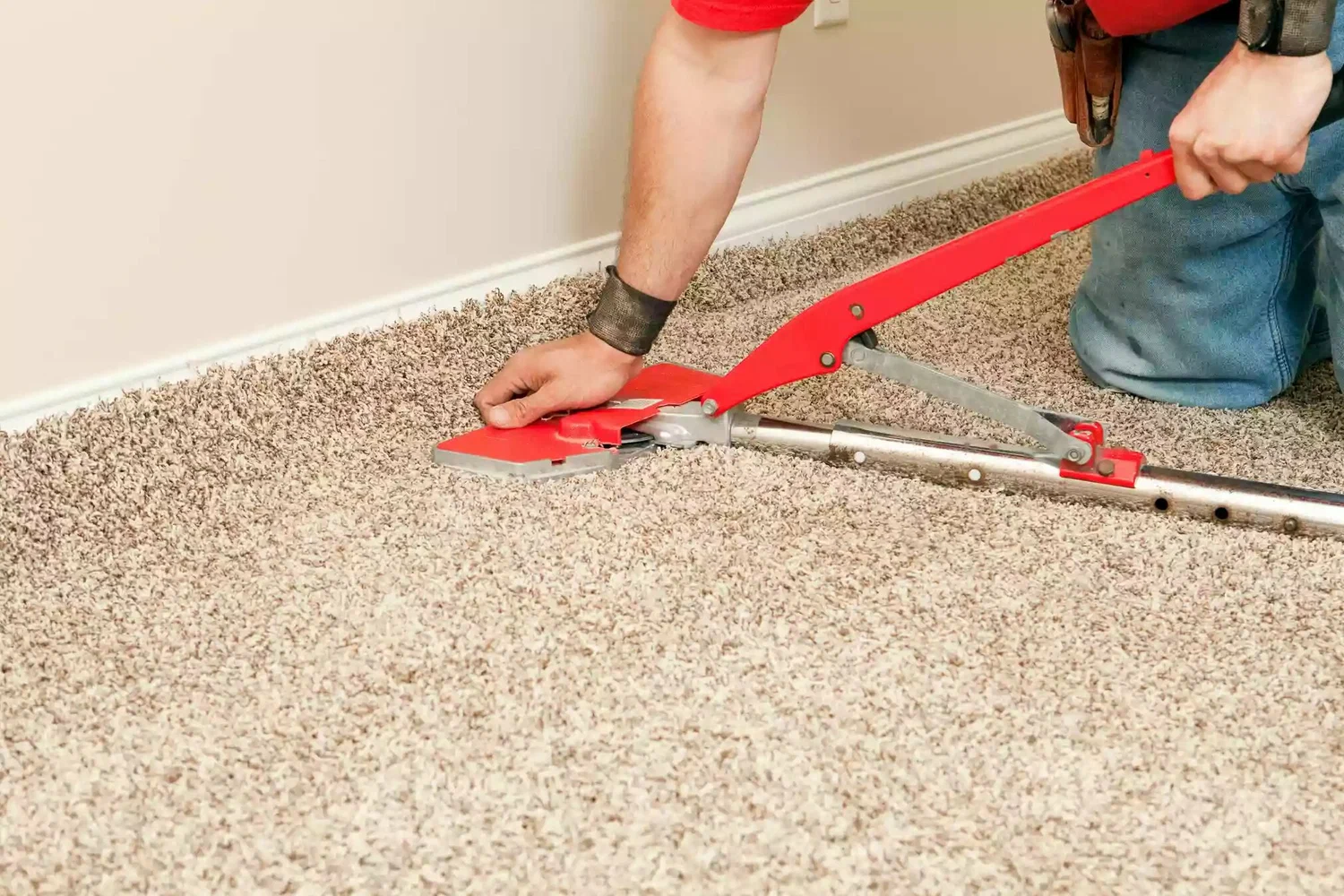
Carpet installation may seem like a simple home improvement task, but achieving a flawless finish requires careful planning, the right tools, and a methodical approach. Whether you are replacing old flooring or adding a carpet to a new space, understanding the process from start to finish ensures durability, comfort, and a polished look. This guide covers everything you need to know, from preparation to the final finishing touches.
Preparing Your Space
Before carpet installation in Dubai, preparation is key. Begin by clearing the room of furniture, rugs, and other obstacles. This step is crucial not only for safety but also to provide a clean surface for installation. Removing old flooring, if necessary, is another important consideration. Ensure that any subflooring is smooth, dry, and free of debris. Uneven surfaces can lead to lumps and wrinkles in the carpet over time.
It’s also wise to inspect the room for any moisture issues, especially in basements or areas prone to dampness. Carpets installed over wet surfaces can develop mold and mildew, which compromises both the carpet’s lifespan and your indoor air quality. Once the space is ready, measure the dimensions of the room accurately. Precise measurements allow you to purchase the right amount of carpet and reduce waste.
Choosing the Right Carpet
Selecting the right carpet is more than a matter of color or style; it involves considering the material, pile height, and durability. High-traffic areas such as hallways and living rooms benefit from durable fibers like nylon or wool blends, while bedrooms may allow for softer options like plush or frieze carpets.
The pile of the carpet also affects how it wears over time. Low-pile carpets are easier to clean and resist flattening, whereas high-pile carpets create a luxurious feel but may require more maintenance. When purchasing carpet, consider the carpet pad as well. A good-quality pad provides cushioning, extends the life of the carpet, and contributes to insulation and sound absorption.
Tools and Materials Needed
Successful carpet installation requires the right tools and materials. Essentials include a carpet knife, knee kicker, carpet stretcher, seam roller, and measuring tape. Tack strips, also called gripper strips, are used along the perimeter of the room to hold the carpet in place. For larger areas, seaming tape and a hot iron may be necessary to join carpet pieces seamlessly.
Investing in quality tools can make the installation process smoother and more efficient. Improper cutting or stretching can lead to uneven seams and wrinkles, so ensuring you have the right equipment is as important as selecting the right carpet.
Installing the Tack Strips and Padding
Once the room is prepared and the carpet and tools are ready, installation begins with the tack strips and padding. Tack strips are installed around the edges of the room, leaving a small gap between the wall and the strip to allow the carpet to tuck in neatly. Be cautious while handling tack strips, as their sharp nails can cause injury.
Next, roll out the carpet padding, cutting it to fit the room and ensuring that it lies flat without wrinkles. Padding should be secured using staples or adhesive if needed. This step adds comfort underfoot and protects the carpet fibers from premature wear. Proper padding also helps with insulation, making the room more energy-efficient.
Laying and Stretching the Carpet
With the foundation in place, the carpet can now be laid. Begin by unrolling the carpet, ensuring the pile direction is consistent throughout the room. Trim any excess material with a sharp carpet knife, leaving a small margin for adjustments.
Stretching the carpet is critical to achieving a smooth, wrinkle-free surface. Using a knee kicker for small areas and a power stretcher for larger spaces, gently pull the carpet into place, securing it onto the tack strips. Take care to avoid overstretching, which can cause the carpet to pull away from the walls over time. Proper tension ensures a tight fit and a professional appearance.
Seaming and Joining Pieces
In rooms larger than a single carpet roll, seams are unavoidable. Align the edges carefully, ensuring the pattern or pile direction matches. Use seaming tape and a hot iron to bond the carpet pieces. Applying heat activates the adhesive, creating a seamless connection.
Once the seam is in place, use a seam roller to press it down firmly. Avoid walking on the seam immediately to allow it to set fully. A poorly executed seam can become visible over time, so attention to detail during this step is essential.
Trimming and Finishing Touches
After the carpet is stretched and seamed, the final touches bring the installation together. Trim excess carpet along the walls using a straightedge and carpet knife. Tuck the edges neatly into the gap left between the tack strip and the wall. This step not only creates a clean edge but also prevents fraying.
Baseboards or moldings can then be replaced, if removed during preparation. Inspect the room for any wrinkles, loose sections, or gaps along the edges, adjusting as needed. A final vacuum ensures that the carpet looks pristine and is free of installation debris.
Maintenance Tips for Longevity
Even the best-installed carpet requires proper care to maintain its appearance and durability. Regular vacuuming removes dirt and debris that can damage fibers, while prompt cleaning of spills prevents stains. Rotating furniture occasionally prevents uneven wear, and professional deep cleaning every 12 to 18 months can extend the carpet’s life.
Selecting stain-resistant carpets and using area rugs in high-traffic zones are additional strategies to protect your investment. Following these maintenance tips ensures that your carpet remains both comfortable and visually appealing for years to come.
Conclusion
Carpet installation is a process that combines preparation, skill, and attention to detail. From clearing the space and selecting the right materials to stretching, seaming, and finishing, each step contributes to the overall success of the project. By understanding the installation process and taking the time to do it correctly, you can enjoy a beautiful, long-lasting carpet that enhances the comfort and style of your home. Proper care after installation further ensures that your investment remains a source of comfort and elegance for years ahead.

 English
 Arabic
 French
 Spanish
 Portuguese
 Deutsch
 Turkish
 Dutch
 Russian
 Romaian
 Portuguese (Brazil)
 Greek