

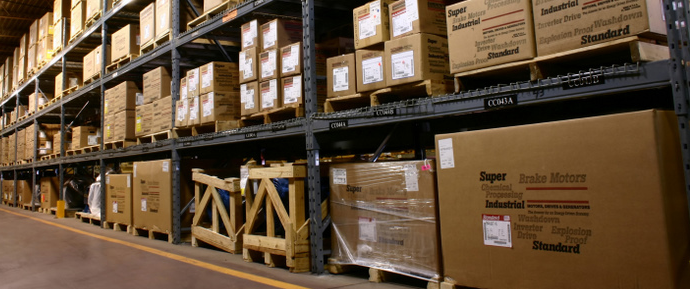
Manufacturers face inventory pressure at different times. Demand shifts. Orders slow down. New models replace old ones. As a result, warehouses fill up with unsold goods. The need to Liquidate Inventory often follows these changes. However, careless clearance can damage long-term relationships. Distributors and retailers depend on stable pricing and fair treatment. The goal is clear. Move excess stock. Protect margins where possible. Maintain trust across the supply chain. With the right plan, manufacturers can achieve all three.
Understand the Impact on Distribution Partners
Distributors invest in inventory, marketing, and shelf space. They expect consistent pricing from manufacturers. If products are dumped into the market at deep discounts, trust erodes. When a manufacturer chooses to inventory liquidation without planning, partners may feel undercut. Retailers may struggle to compete with lower prices in secondary channels. Clear communication is essential. Before making any decision, review agreements and pricing policies. Understand how discounting affects each partner. Strong relationships matter more than short term clearance gains. Protecting those ties supports long term growth.
Review Contracts and Pricing Policies
Most manufacturers operate under pricing guidelines. These include suggested retail prices and channel agreements. Any clearance action must respect these rules. Study existing contracts. Identify limits on direct sales or bulk discounting. Confirm what is allowed in outlets or secondary markets. If you plan to Liquidate Inventory, align the plan with your legal and pricing framework. This prevents conflict later. Clear rules reduce risk. They also show partners that you value fairness.
Segment Excess Stock Carefully
Not all surplus goods require the same approach. Some items are outdated models. Others may have minor packaging changes. A few may simply be slow sellers. Divide inventory into clear groups. Focus first on products with low future demand. Keep current core items protected. This step allows you to Liquidate Inventory in a controlled way. You avoid flooding the market with active product lines. Segmentation supports smart decisions. It keeps regular distribution stable.
Offer Exclusive Clearance to Existing Partners
One safe approach is to give distributors the first option. Offer them special bulk deals before seeking outside buyers. This method shows respect for the channel. Partners may welcome the chance to buy discounted stock for outlet stores or online platforms. When you Liquidate Inventory through existing partners, you maintain pricing control. You also strengthen loyalty. Clear timelines and conditions help. Keep the offer structured and limited.
Use Secondary Markets with Care
Secondary markets include discount retailers and export buyers. These channels can absorb large volumes. However, they must be used carefully. Choose markets that do not compete directly with your core distribution areas. For example, export excess goods to regions where your brand has limited presence. This strategy allows you to Liquidate Inventory without disturbing domestic pricing. It reduces conflict across regions. Control branding and packaging when possible. Make sure products are clearly marked for specific markets.
Create Product Bundles Instead of Price Cuts
Heavy price reductions damage perceived value. Instead, consider bundling slow moving items with stronger products. Bundles increase value without lowering unit prices too much. Retailers can promote bundles without breaking pricing agreements. Manufacturers can Liquidate Inventory this way while protecting brand image. The main product keeps its value. The excess product moves alongside it. Bundles work best when products are related. Clear messaging supports better results.
Use Private Label or Rebranding Options
Some excess goods can be repackaged under private labels. This works well for generic or non seasonal products. Rebranding creates separation from your main line. It prevents price comparisons in regular channels. Through private label deals, you can Liquidate Inventory quietly. Core distributors remain unaffected. Make sure packaging changes are clear and compliant with regulations. Maintain product quality standards at all times.
Plan Limited Time Promotions
Short term promotions can clear stock without long term damage. Set a clear start and end date. Communicate the reason for the promotion. Seasonal clearance events work well. They feel normal to retailers and consumers. When you Liquidate Inventory under controlled promotions, you maintain pricing discipline. Avoid open ended discounts. Track results carefully. Measure how the promotion affects regular sales volumes.
Coordinate with Sales Teams
Sales teams manage daily contact with distributors. Their input is valuable before any clearance decision. Discuss stock levels and regional demand. Some areas may still have strong sales. Others may need support. Working together helps you Liquidate Inventory in a balanced way. Sales teams can present offers professionally to partners. Internal alignment prevents mixed messages. It also protects long term relationships.
Protect Brand Value at Every Step
Brand image is an asset. Deep discounts across random channels weaken it. Control where excess products appear. Avoid online platforms that damage price integrity. When you Liquidate Inventory, maintain packaging standards and product quality. Do not release damaged or incomplete goods without clear disclosure. Consistency builds trust. Customers and partners notice how you handle surplus stock.
Improve Demand Forecasting
The best way to manage surplus is to prevent it. Strong forecasting reduces future clearance pressure. Study past sales data closely. Review seasonal trends and product life cycles. Adjust production volumes based on real demand. Better planning lowers the need to Liquidate Inventory later. It protects cash flow and warehouse space. Regular review meetings help maintain discipline. Small adjustments prevent large problems.
Adjust Production Flexibility
Large production runs increase risk when demand shifts. Flexible manufacturing reduces that risk. Shorter runs and quicker changeovers help balance supply with demand. This limits future surplus. If you reduce overproduction, you reduce the need to Liquidate Inventory in the future. Work closely with operations teams. Align production plans with updated sales forecasts.
Monitor Inventory Aging
Track how long goods remain in storage. Set internal benchmarks for review. Products that sit too long should be flagged early. Early action gives more options. Late action limits choices. By monitoring aging inventory, you avoid sudden large scale decisions to Liquidate Inventory. Regular reporting creates accountability. It keeps stock levels under control.
Communicate Transparently with Partners
Honest communication builds trust. If excess stock becomes an issue, explain the situation clearly. Share the plan before executing it. Invite feedback from key distributors. When partners understand the need to Liquidate Inventory, they are more likely to cooperate. Silence creates suspicion. Transparency strengthens relationships.
Evaluate Financial Impact Before Acting
Every clearance action affects margins. Calculate expected recovery value. Compare it to holding costs. Choose the option that protects long-term profitability. Quick cash is useful, but long term channel health matters more. Before you Liquidate Inventory , review financial projections. Make decisions based on numbers, not urgency. Balanced judgment supports stable growth.
Conclusion
Manufacturers will make surplus stock at times. Market shifts and product changes make it unavoidable. The challenge is not only to Liquidate Inventory. The real task is to protect distribution channels while doing so. Segment stock carefully. Work with existing partners first. Use secondary markets wisely. Control promotions and protect brand value. Improve forecasting and production planning. Monitor aging inventory and communicate openly. With discipline and clear strategy, manufacturers can move excess goods without harming the relationships that support long term success.

 English
 Arabic
 French
 Spanish
 Portuguese
 Deutsch
 Turkish
 Dutch
 Russian
 Romaian
 Portuguese (Brazil)
 Greek