

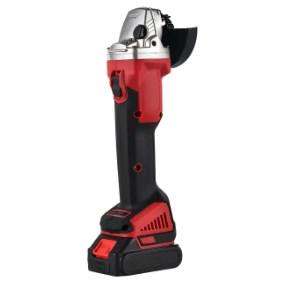
In the intricate dance of woodworking, the tools in a craftsman's hand are as crucial as the rhythm of their movements. Electric carpentry tools have become the orchestral instruments of this art, with their weight playing a pivotal role in the symphony of creation. The weight of these tools can significantly influence the user experience, affecting everything from fatigue levels to precision and control.
The ergonomics of electric carpentry tools are a critical consideration for manufacturers and users alike. A tool that is too heavy can lead to user fatigue, especially during prolonged use. This fatigue can not only decrease the quality of the work but also increase the risk of injury due to slips and mishandling. On the other hand, a tool that is too light may lack the stability needed for certain tasks, leading to a compromise in precision and control.
The weight of electric carpentry tools is also closely tied to their power and functionality. Heavier tools often house more powerful motors, which can handle tougher materials and more demanding tasks. However, this added power comes with the trade-off of increased weight, which can be a double-edged sword. For instance, a heavy-duty electric saw may cut through dense woods with ease, but the effort required to maneuver it can be taxing.
Conversely, lighter electric carpentry tools offer greater maneuverability and reduced fatigue, making them ideal for detailed work and extended periods of use. A lightweight electric drill, for example, allows for precision drilling in tight spaces without the strain associated with heavier models. However, these tools may struggle with more robust materials or heavier loads, which can limit their versatility.
The balance between weight and performance is a delicate one, and it varies from one tool to another. Electric planers, for example, need to be heavy enough to maintain stability while planning a surface, yet light enough to be maneuvered easily across the material. The same principle applies to electric routers, which require a balance between weight for stability and lightness for intricate detailing.
User preferences and physical capabilities also play a significant role in determining the ideal weight for electric carpentry tools. A professional woodworker accustomed to the rigors of heavy tools may find lighter models underwhelming, while a hobbyist or someone with physical limitations may prefer the ease of use offered by lighter tools.
Innovative designs and materials are continually being explored to optimize the weight of electric carpentry tools. The use of lightweight yet durable materials, such as aluminum and advanced plastics, can reduce the weight of tools without compromising their structural integrity or performance. Additionally, ergonomic designs that distribute the weight more evenly can enhance user comfort and control.
Feedback from users is invaluable in refining the weight of electric carpentry tools. Listening to the end-users allows manufacturers to understand the balance they seek between power, weight, and usability. This feedback loop is essential in the ongoing evolution of these tools, ensuring they meet the needs of a diverse range of woodworkers.
In conclusion, the weight of electric carpentry tools is a multifaceted aspect that impacts the user experience in numerous ways. It influences fatigue levels, precision, control, and overall ease of use. Striking the right balance is crucial, and it requires a deep understanding of the user's needs, the task at hand, and the capabilities of the tool itself. As technology advances and user feedback shapes the development of these tools, we can expect to see a continued refinement in their weight and design, enhancing the woodworking experience for all.

 English
 Arabic
 French
 Spanish
 Portuguese
 Deutsch
 Dutch
 Italiano
 Russian
 Romaian
 Portuguese (Brazil)
 Greek