

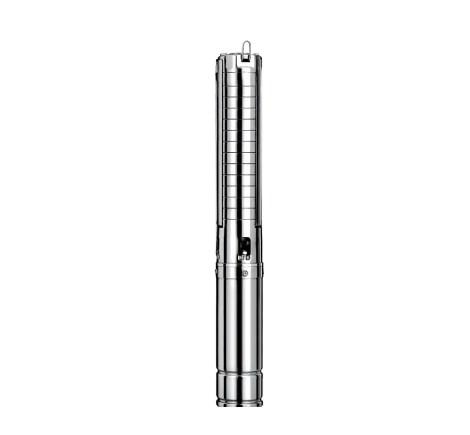
The efficiency of an OEM Solar Pump is a critical factor in determining its suitability for various applications. As a solar-powered device, the efficiency of these pumps is influenced by a multitude of variables, including solar irradiance, the design of the pump, and the integration of the solar panels with the pumping system. This article delves into the intricacies of OEM Solar Pump efficiency, exploring the factors that contribute to their performance and how they can be optimized for maximum effectiveness.
The efficiency of an OEM Solar Pump can be broadly categorized into two aspects: the efficiency of the solar panels in converting sunlight into electricity and the mechanical efficiency of the pump in converting this electrical energy into kinetic energy to move water. The solar panels used in OEM Solar Pumps are typically photovoltaic (PV) cells, which have an efficiency rate that can vary from 15% to 22%. This means that only a portion of the sunlight that strikes the panels is converted into usable electrical energy.
The mechanical efficiency of an OEM Solar Pump is determined by how well the pump can convert the electrical energy into the work required to lift or move water. This efficiency can be influenced by the design of the pump, including the type of pump (such as submersible, surface, or centrifugal), the materials used in construction, and the pump's ability to operate at varying flow rates and head pressures.
One of the key advantages of OEM Solar Pumps is their ability to operate without the need for grid electricity, making them highly efficient in terms of energy consumption. Since they rely solely on solar energy, there are no fuel costs or electricity bills associated with their operation. This not only makes them cost-effective in the long run but also contributes to a reduction in greenhouse gas emissions and reliance on non-renewable energy sources.
However, the efficiency of an OEM Solar Pump can be affected by environmental factors such as cloud cover, dust, and angle of incidence of sunlight. To mitigate these effects, some OEM Solar Pump systems incorporate tracking systems that adjust the angle of the solar panels throughout the day to maximize exposure to sunlight. Additionally, energy storage solutions, such as batteries, can be integrated into the system to store excess energy during peak sunlight hours for use during periods of low solar irradiance.
The efficiency of an OEM Solar Pump can also be influenced by the quality of the components used in its construction. High-quality solar panels, inverters, and pumps can significantly enhance the overall efficiency of the system. Moreover, the use of advanced materials and manufacturing techniques can improve the durability and longevity of the pump, ensuring consistent performance over time.
In conclusion, the efficiency of an OEM Solar Pump is a multifaceted concept that encompasses the conversion of solar energy to electricity, the mechanical operation of the pump, and the integration of the system with its environment. By understanding the factors that affect efficiency and implementing strategies to optimize performance, OEM Solar Pumps can provide a reliable and sustainable solution for water pumping needs. As technology continues to advance and the demand for renewable energy solutions grows, the efficiency of OEM Solar Pumps is likely to improve, further solidifying their position as a key player in the transition to a more sustainable future.

 English
 Arabic
 French
 Spanish
 Portuguese
 Deutsch
 Turkish
 Dutch
 Russian
 Romaian
 Portuguese (Brazil)
 Greek