

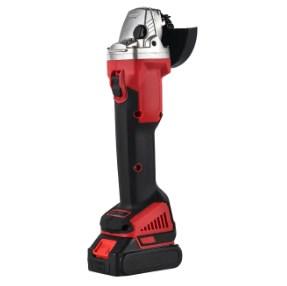
The world of carpentry has been shaped by the hands of craftsmen for centuries, with the art of woodworking being passed down through generations. However, the advent of electric carpentry tools has not only revolutionized the way wood is worked but has also significantly enhanced the efficiency and precision of the craft. These tools have become an integral part of the modern carpenter's arsenal, offering a blend of power, convenience, and versatility that traditional hand tools simply cannot match.
The history of electric carpentry tools dates back to the early 20th century when the first electric drills and saws were introduced. Since then, the technology has advanced exponentially, with new and innovative electric carpentry tools being developed to meet the ever-evolving demands of the industry. Today, these tools are not just a luxury but a necessity for any professional carpenter, offering a level of precision and speed that was once thought impossible.
One of the most significant benefits of electric carpentry tools is the time-saving aspect they bring to the job. Traditional hand tools require a great deal of physical effort and time to complete tasks that can now be done in a fraction of the time with electric counterparts. For instance, an electric circular saw can cut through a piece of wood in seconds, whereas a hand saw would take minutes, if not longer. This increased efficiency allows carpenters to complete projects faster, which is particularly important in a competitive market where time is money.
Precision is another area where electric carpentry tools excel. The use of electric jigsaws, for example, allows for intricate and detailed cuts that would be difficult, if not impossible, to achieve with a manual jigsaw. This precision is crucial in creating high-quality, professional-looking work that meets the expectations of clients and customers. Electric carpentry tools also offer better control over the cutting process, reducing the risk of errors and ensuring a cleaner, more accurate finish.
Safety is another critical aspect that has been improved with the introduction of electric carpentry tools. Many of these tools come with safety features such as blade guards, variable speed controls, and ergonomic designs that reduce the risk of injury. The reduced physical strain on the carpenter also contributes to a safer working environment, as carpenters are less likely to suffer from muscle fatigue or strain-related injuries.
Innovation in electric carpentry tools has also led to the development of cordless options, which offer even greater flexibility and mobility on the job site. These cordless tools are powered by rechargeable batteries, allowing carpenters to work in areas where power outlets are not readily available. This freedom from cords not only increases efficiency but also reduces the risk of tripping hazards and electrical accidents.
The variety of electric carpentry tools available today is vast, catering to a wide range of woodworking tasks. From electric planers and routers to sanders and nail guns, these tools have been designed to meet the specific needs of carpenters. Each tool is engineered to perform a particular function with maximum efficiency, ensuring that the carpenter has the right tool for every job.
However, the widespread use of electric carpentry tools has also raised concerns about the loss of traditional woodworking skills. Some argue that the reliance on power tools has led to a decline in the appreciation and understanding of the craft's manual techniques. While it is true that electric carpentry tools have changed the way carpentry is practiced, they should be seen as a complement to, rather than a replacement for, traditional skills. A well-rounded carpenter should be proficient in both manual and electric tools, understanding when to use each for the best results.
In conclusion, electric carpentry tools have had a profound impact on the woodworking industry, transforming the way carpenters work and the quality of their output. They have made tasks faster, more precise, and safer, while also opening up new possibilities in design and construction. As technology continues to advance, we will likely see even more innovative electric carpentry tools entering the market, further shaping the future of this ancient and revered craft. The key for carpenters is to embrace these tools as part of their toolkit, using them to enhance their skills and craftsmanship, rather than relying on them as a crutch. With the right balance of traditional skills and modern technology, the art of carpentry will continue to thrive and evolve for generations to come.

 English
 Arabic
 French
 Spanish
 Portuguese
 Deutsch
 Turkish
 Dutch
 Italiano
 Russian
 Portuguese (Brazil)
 Greek