

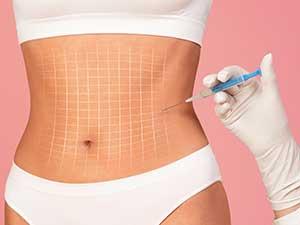
Fat melting injection have become a popular non-surgical solution for reducing stubborn fat pockets. They are designed to break down fat cells in targeted areas, offering a more contoured appearance without surgery. While the results can be impressive, it’s important to understand the potential side effects and safety measures to ensure a smooth and effective treatment.
What Are Fat Melting Injections?
Fat melting injections, also known as fat-dissolving or lipolytic injections, involve the use of special compounds that target fat cells beneath the skin. These injections typically contain substances like deoxycholic acid, which helps in breaking down fat cells. Over time, the body naturally eliminates the destroyed fat, leading to a reduction in localized fat deposits.
Common Side Effects
Although generally safe, fat melting injections can come with some side effects. Most are mild and temporary, but understanding them can help you prepare for the procedure.
1. Swelling and Redness
It is normal to experience swelling and redness around the injection site. This occurs because the body responds to the injected solution, and it usually subsides within a few days.
2. Bruising
Some patients notice mild bruising at the treated area. This is caused by small blood vessels reacting to the injections. Applying a cold compress after treatment can help reduce bruising.
3. Pain or Discomfort
A slight stinging or burning sensation during and after the procedure is common. Over-the-counter pain relievers are often recommended to manage discomfort.
4. Numbness or Tingling
Temporary numbness or tingling can occur as the fat cells are broken down. This typically resolves within a few days to a week.
5. Lumps or Hardness
Some individuals may notice small lumps under the skin, which usually soften and disappear naturally over time. Gentle massage, as advised by a professional, can help accelerate this process.
6. Rare Side Effects
Though uncommon, allergic reactions, infections, or uneven fat reduction may occur. Consulting a qualified professional before treatment and following post-injection care guidelines can reduce these risks.
Safety Tips for Fat Melting Injections
Ensuring the procedure is safe involves careful preparation, the right professional guidance, and proper aftercare.
1. Choose a Qualified Specialist
Always seek injections from trained and experienced professionals. Proper technique significantly reduces the risk of side effects.
2. Understand Your Health Condition
Inform your practitioner about any medical conditions, allergies, or medications you are taking. Certain conditions may make fat-dissolving injections unsuitable.
3. Follow Pre-Treatment Guidelines
Avoid blood-thinning medications and alcohol before the procedure, as these can increase the likelihood of bruising. Hydrate well and maintain a healthy diet to support recovery.
4. Follow Post-Treatment Care
After the injection, gently massage the treated area if recommended. Avoid strenuous activities for a few days, and apply cold compresses to manage swelling.
5. Monitor and Report Any Unusual Reactions
While minor side effects are common, report any severe or persistent reactions to your practitioner immediately. Early intervention helps prevent complications.
6. Have Realistic Expectations
Fat melting injections are not a weight-loss solution. They target small, stubborn areas of fat and work best when combined with a healthy lifestyle. Understanding expected results helps maintain satisfaction and avoids disappointment.
Final Thoughts
Fat melting injections can offer an effective, non-surgical solution for body contouring. Awareness of side effects and adherence to safety tips ensure the procedure remains both safe and effective. Proper guidance, care, and realistic expectations make this treatment a viable option for many individuals looking to reduce localized fat pockets.

 English
 Arabic
 French
 Spanish
 Portuguese
 Deutsch
 Turkish
 Dutch
 Russian
 Romaian
 Portuguese (Brazil)
 Greek